The 220VAC Power Relay is a crucial component in electrical systems, enabling the safe and efficient control of high-voltage circuits. It serves as an intermediary device that allows low-power control circuits to switch high-voltage and high-current loads. From household appliances to industrial machinery, the 220VAC Power Relay plays a pivotal role in automating electrical functions, ensuring both reliability and safety. In this article, we will explore the working principles, applications, and considerations for selecting a 220VAC Power Relay.
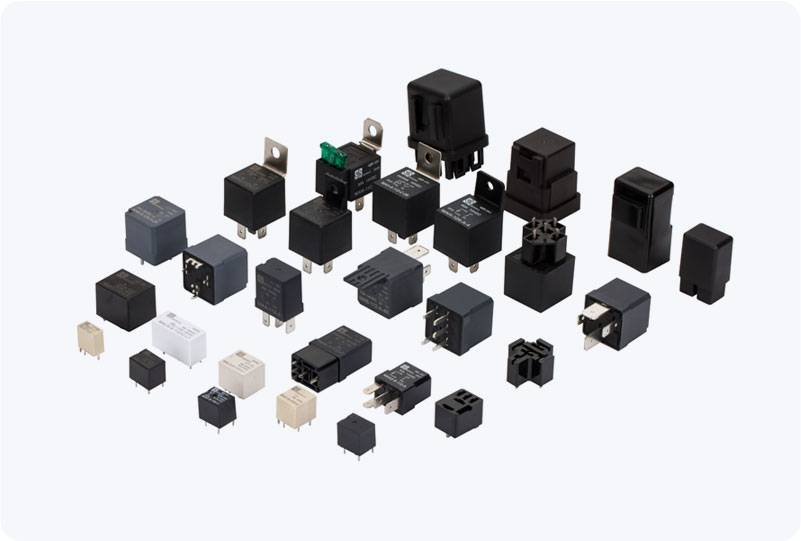
What is a 220VAC Power Relay? A 220VAC Power Relay is an electromagnetic switch that operates by using an electric current to control the opening and closing of contacts. It is designed to handle the high-voltage alternating current (AC) typically found in residential and commercial power systems. The relay’s function is to control a larger electrical load (e.g., an electric motor or heating element) with a smaller, low-voltage control signal, such as from a microcontroller, thermostat, or other automation devices. Relays generally consist of three main parts: the coil, the armature, and the contacts. When the coil receives an electrical current, it generates a magnetic field that moves the armature. This movement causes the contacts to either open or close, depending on the design of the relay. A 220VAC Power Relay is designed to safely handle the higher electrical demands of the 220V AC power supply and activate or deactivate devices such as lights, motors, and other equipment that require more substantial electrical input.