The 12V relay is an essential component in modern electrical systems, playing a critical role in automating and controlling various electrical circuits. It provides an efficient way to control high-voltage systems with a low-voltage signal, making it a fundamental element in automotive, home automation, industrial applications, and beyond. In this article, we will explore the structure, functionality, applications, and advantages of the 12V relay, shedding light on its importance in contemporary electronics.
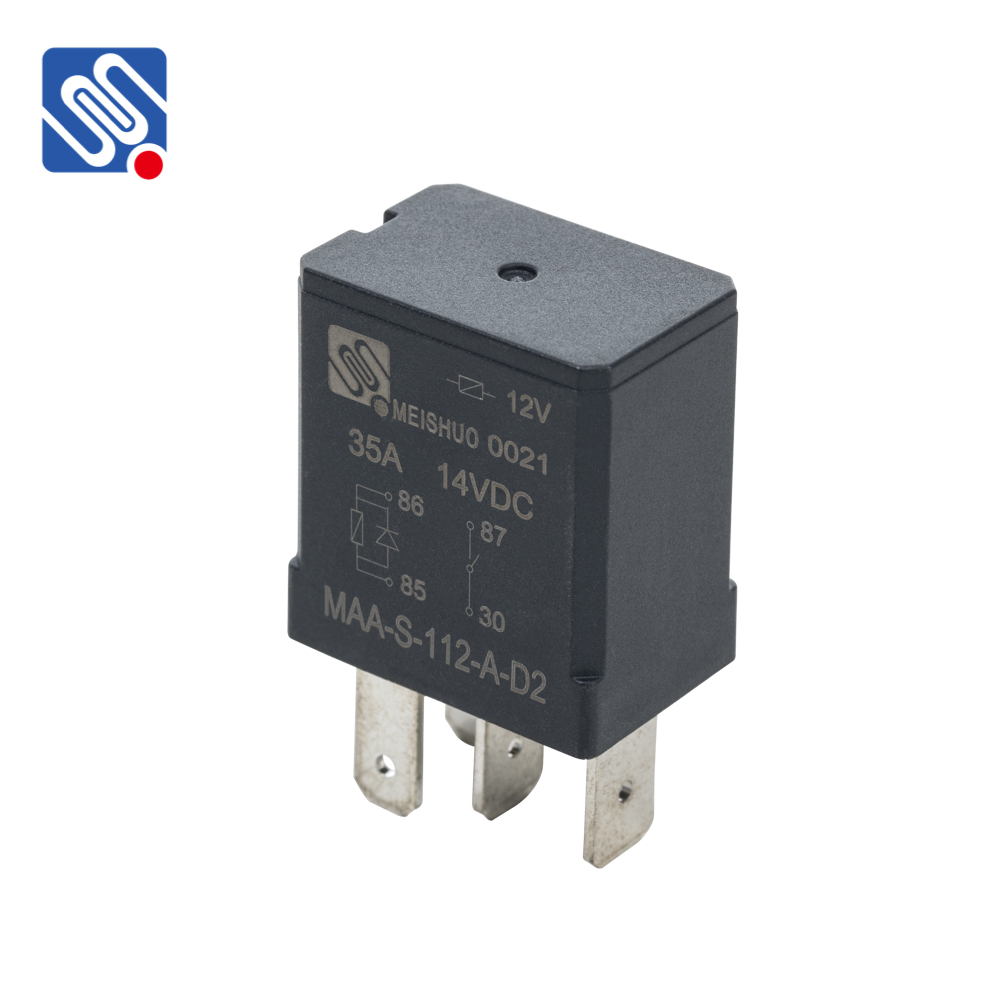
What is a 12V Relay? A relay is an electrically operated switch that allows the control of a high-voltage circuit using a low-voltage signal. The 12V relay specifically operates with a 12-volt control voltage, commonly used in both automotive and low-voltage electrical systems. The basic design of a 12V relay consists of an electromagnetic coil, a set of contacts (typically a common, normally open, and normally closed), and a mechanical armature that moves when the coil is energized. When a 12V signal is applied to the relay’s coil, it creates a magnetic field that pulls the armature, changing the state of the contacts. This allows the relay to switch between different circuits, enabling the control of large electrical currents with a relatively low-power signal.