A 12V relay is an essential component in electrical and electronic circuits, widely used to control high-voltage and high-current devices with a low-voltage signal. Relays serve as automatic switches that allow a small current to control a much larger current, making them invaluable in various applications such as automotive, automation, and household electrical systems. This article aims to explore the working principle, types, applications, and advantages of the 12V relay, providing a comprehensive understanding of this fundamental electrical device.
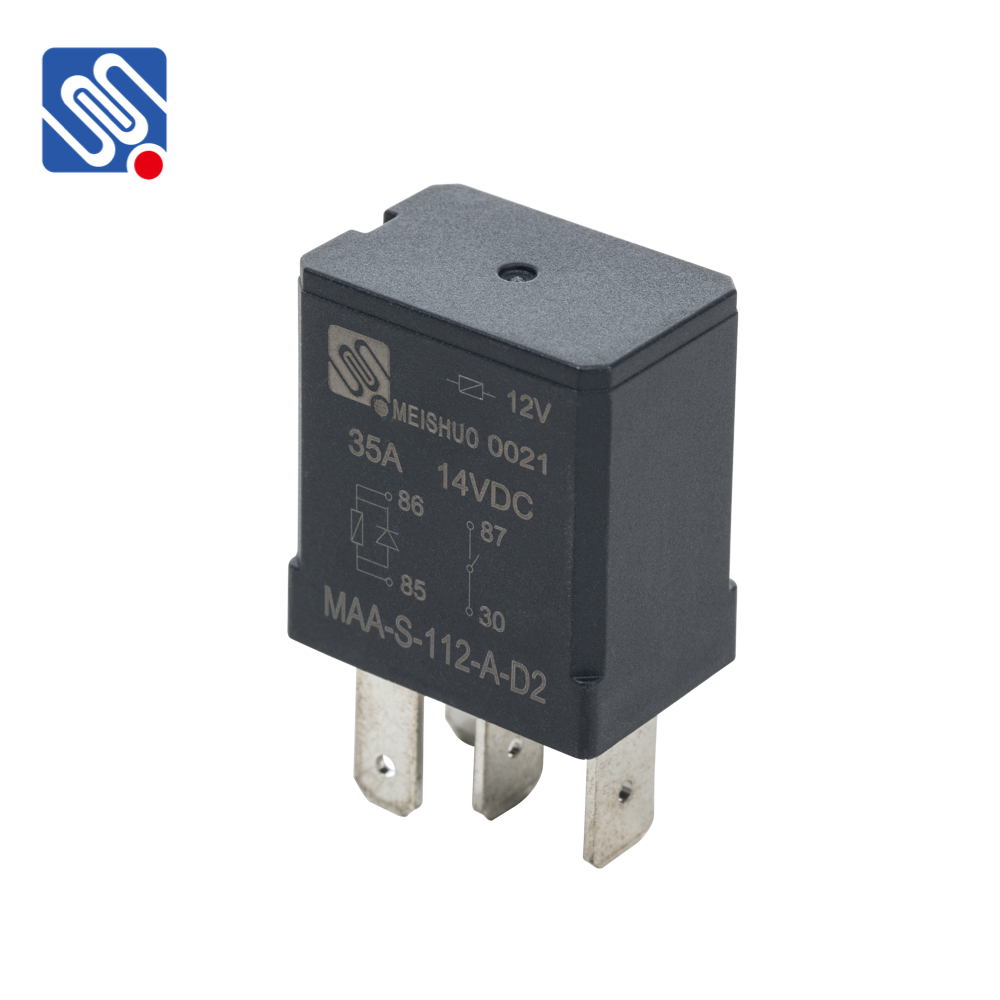
What is a 12V Relay? At its core, a relay is an electromechanical device that uses an electromagnet to open or close a set of electrical contacts. The 12V relay operates on a 12V direct current (DC) power source to energize the coil within the relay, which creates a magnetic field. This magnetic field then attracts or repels a movable armature, causing the relay’s contacts to either open or close. These contacts are used to control circuits with higher voltage and current, making the relay an indispensable tool in many electronic systems. Working Principle of a 12V Relay When a 12V DC voltage is applied to the relay’s coil, it generates a magnetic field that attracts the armature. The armature, which is connected to the relay’s switch contacts, moves, causing the contacts to either open or close, depending on the relay type. This action allows the relay to control external devices, such as motors, lights, or other electrical appliances, by switching the larger current or voltage on and off.