Relays are vital components in electrical circuits, allowing control of high-power devices through low-power signals. The 12V 60A relay is one of the most commonly used types in various industries, particularly in automotive, industrial, and power control systems. This article will explore the features, applications, and benefits of the 12V 60A relay, helping you understand why it is an essential part of many electrical systems.
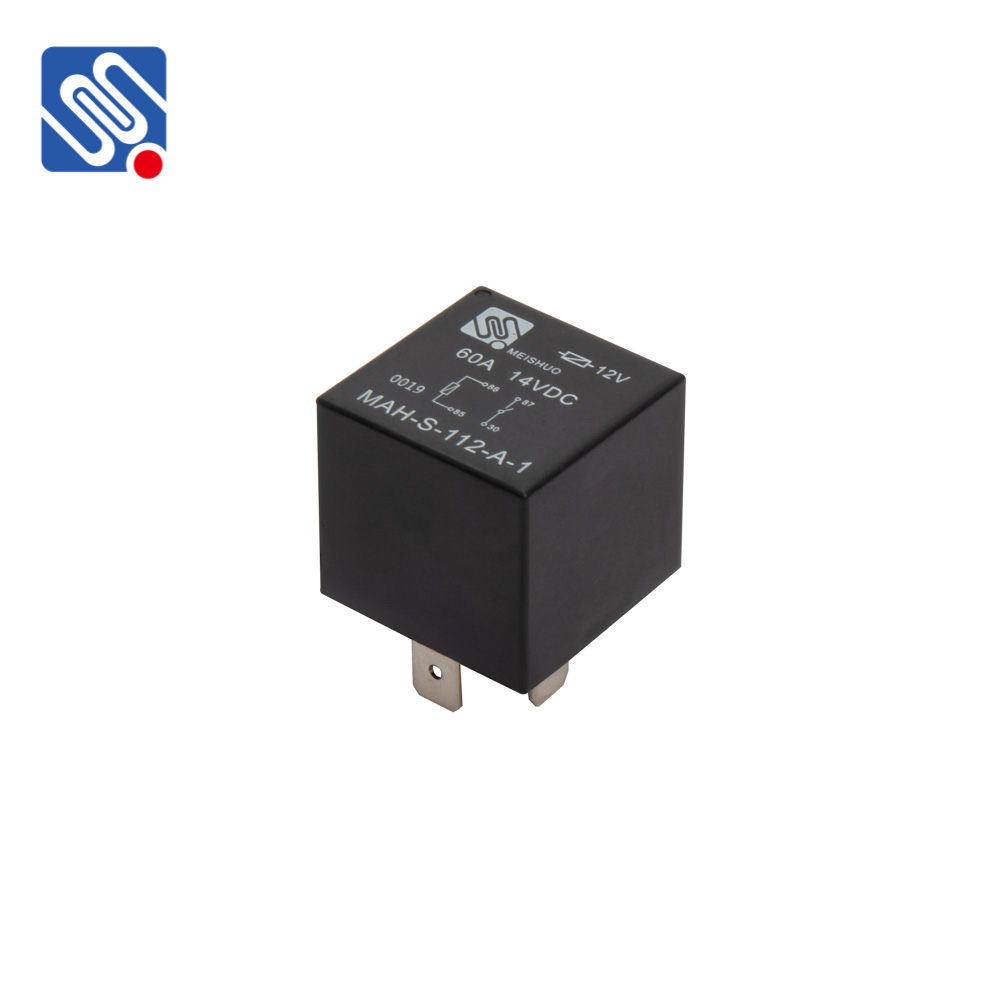
What is a 12V 60A Relay? A 12V 60A relay is an electrical switch that allows a low-voltage circuit (typically 12V DC) to control high-current circuits (up to 60A). It consists of an electromagnet, a set of contacts, and a spring mechanism. When the relay coil is energized with a 12V signal, it creates a magnetic field that moves the contacts, either opening or closing the circuit. This enables the relay to switch on or off large electrical loads, making it a powerful and versatile component for various applications. Key Features of the 12V 60A Relay Voltage Rating: The relay operates at a nominal voltage of 12V DC, which is commonly used in automotive and industrial systems. This makes the relay suitable for use with standard 12V battery systems and power supplies.