Relays are essential components in many electrical and electronic systems, used to control high-power circuits with low-power control signals. Among the wide range of relays available, the 12V 40A relay stands out due to its robust capacity and versatility in controlling powerful equipment. This article will delve into the workings, applications, and important considerations when using a 12V 40A relay in various fields.
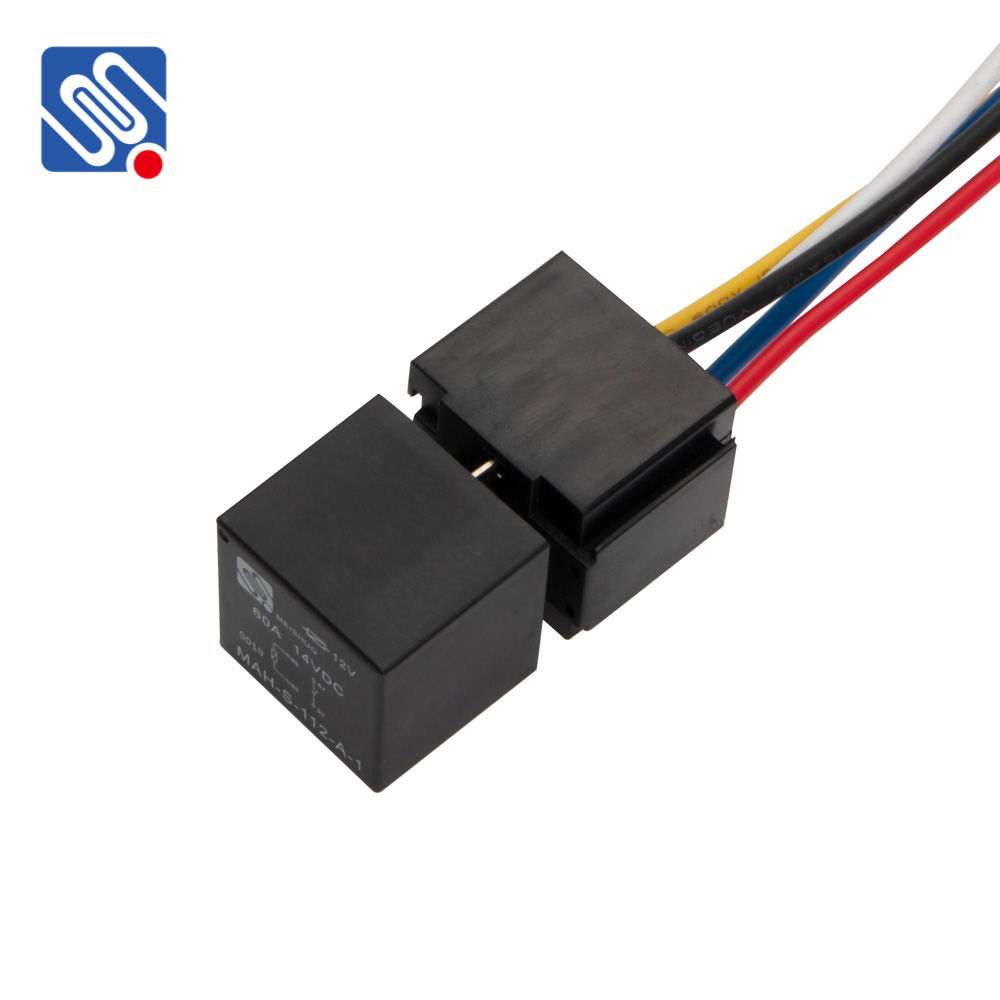
What is a 12V 40A Relay? A 12V 40A relay is an electromechanical switch that allows low voltage control circuits (typically 12V DC) to manage larger power loads, with the ability to handle a maximum current of 40 amperes. The “12V” refers to the voltage required to energize the relay’s coil, while “40A” indicates the maximum current that the relay can switch on the load side. Relays work by using an electromagnet to close or open the contacts in the switch when current flows through the control circuit. When a 12V signal is applied to the relay’s coil, it activates the internal mechanism, which causes the relay’s contacts to either complete or break the circuit, allowing current to flow through the connected high-power device.