A Temperature Control Relay is an essential electrical device used in temperature regulation systems to control the operation of heating or cooling devices based on a set temperature threshold. It is commonly found in automation systems where precise temperature control is necessary, such as in industrial processes, HVAC systems, and household appliances. The purpose of this article is to provide an overview of temperature control relays, including their function, applications, and the benefits they offer in various industries.
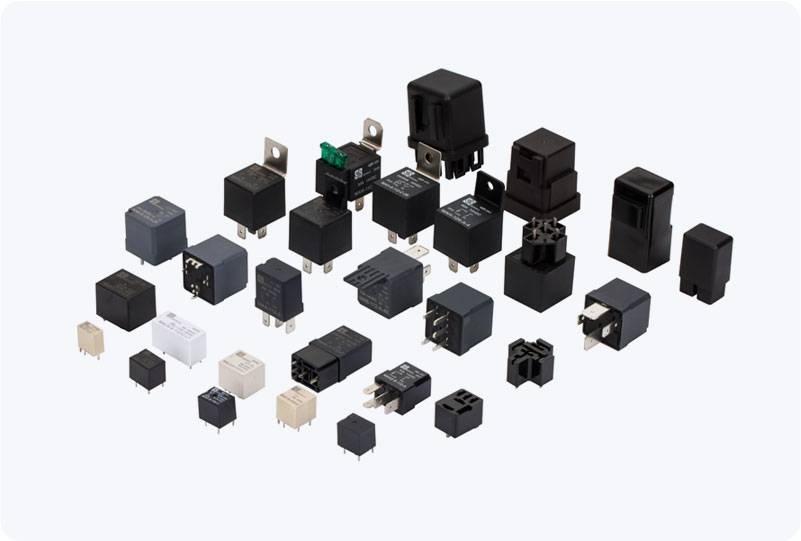
Function and Working Principle The primary function of a Temperature Control Relay is to monitor the temperature of a system and activate or deactivate equipment such as heating elements, fans, compressors, or other temperature-dependent devices. The relay works by continuously monitoring the temperature through a temperature sensor, such as a thermistor, thermocouple, or RTD (resistance temperature detector). Once the relay detects that the temperature has reached a predefined setpoint, it will trigger its contacts to either open or close, depending on the configuration of the relay. In most cases, the relay will use a normally open (NO) or normally closed (NC) contact. If the temperature exceeds the set limit, the relay will close the circuit to activate the cooling device, or open the circuit to stop the heating device. In other instances, the relay may also have a delay feature to avoid frequent cycling, providing smoother operation and less wear on the connected equipment.