As electric vehicles (EVs) become increasingly popular, the need for efficient and reliable charging infrastructure grows. Among the critical components that ensure the smooth operation of EV charging stations is the Supercharger Relay. This small but essential part plays a pivotal role in managing the power flow during the charging process, ensuring the safety and longevity of the vehicle’s battery. In this article, we will explore what a Supercharger Relay is, how it works, and why it is indispensable in the context of electric vehicle charging.
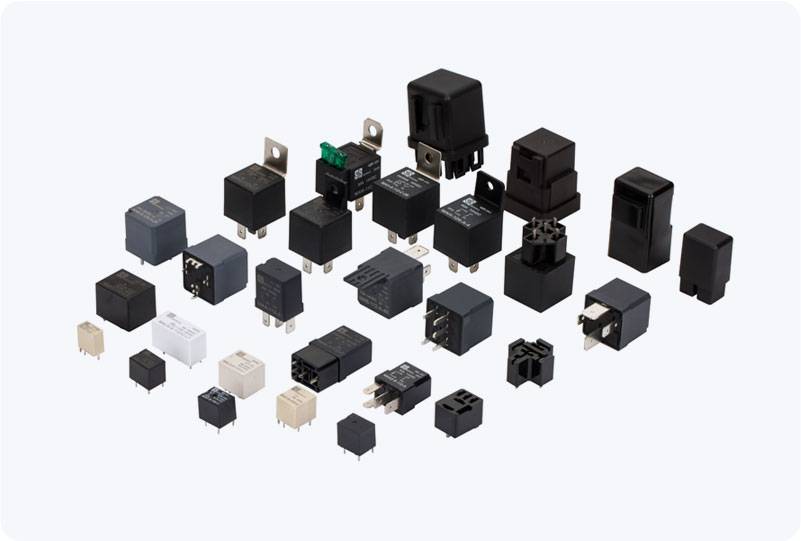
What is a Supercharger Relay? At its core, a Supercharger Relay is an electrical component that controls the flow of electricity to a vehicle’s battery from the charging station. It acts as a switch that regulates the high-voltage current coming from the charging source. The relay ensures that the electricity flows only when the system is ready, and it cuts the power when there is a potential fault or when charging is completed. This feature is crucial for the safety and efficiency of the charging process. In the context of Tesla’s Supercharger network, the relay ensures the safe transfer of electricity from the Supercharger station to the vehicle’s battery. The system uses multiple relays to manage the high-power charging process, preventing overheating, overvoltage, and short circuits, all of which could cause significant damage to the battery or electrical components.