Solid State Relay (SSR) is a revolutionary component that has transformed the way electrical systems are controlled. Unlike traditional mechanical relays, which rely on physical contacts to switch circuits, SSRs use semiconductor components to achieve the same result without any moving parts. This innovation has brought about numerous benefits in terms of reliability, speed, and efficiency, especially in industrial and automation applications. In this article, we will explore the working principle, advantages, and applications of Solid State Relays (SSRs), as well as the factors to consider when choosing them for specific tasks.
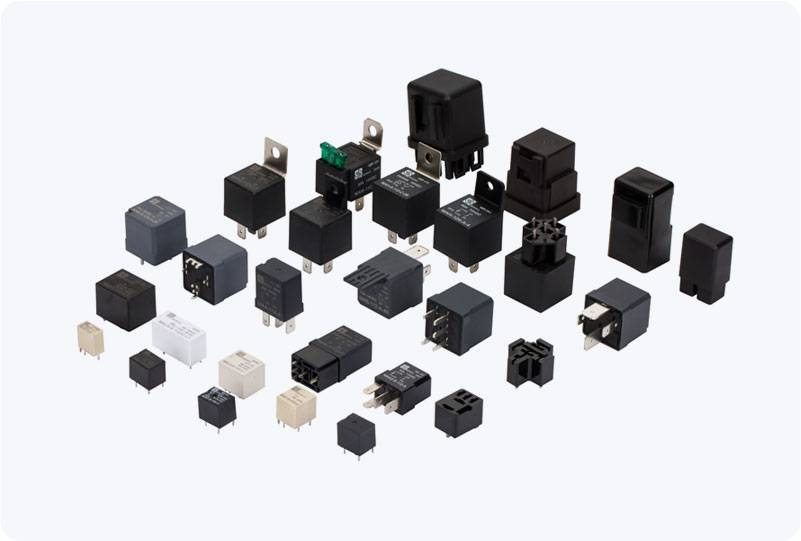
What is a Solid State Relay (SSR)? A Solid State Relay (SSR) is an electronic switching device that allows a low-power signal to control the switching of a high-power electrical circuit without any physical moving parts. It uses semiconductor devices, such as thyristors, triacs, or MOSFETs, to perform the switching function. The SSR operates based on the principle of using an input control signal to activate a semiconductor component that switches the load circuit on or off. In an SSR, the input side (control side) is electrically isolated from the output side (load side) by an optical isolator, often referred to as an optocoupler. This optical isolation ensures that the control circuit remains electrically safe from the potentially dangerous high-power load circuit.