In today’s industrial and safety-critical environments, maintaining high levels of safety is paramount. One crucial component in achieving this is the SIL 3 communication relay. SIL, or Safety Integrity Level, is a measure of a system’s ability to reduce risks to an acceptable level. SIL 3, specifically, is the third highest safety integrity level defined by international safety standards like IEC 61508 and IEC 61511, and is often required in industries where failure can result in catastrophic consequences, such as oil and gas, chemical processing, and power generation.
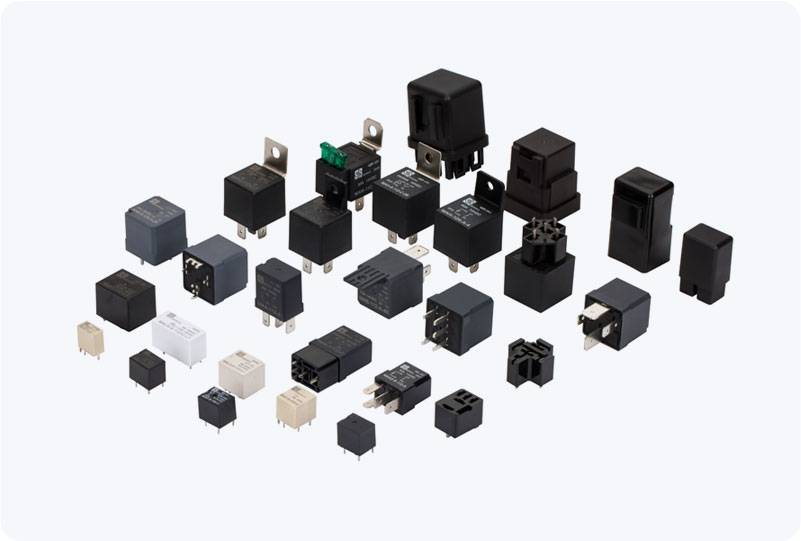
What is SIL 3? SIL 3 refers to a high safety integrity level for systems that need to be highly reliable in order to prevent hazards from occurring. A SIL 3-rated communication relay is designed to operate with a very low probability of failure, typically with an estimated probability of failure on demand (PFD) between 10^-3 and 10^-4. This means that for every 1,000 to 10,000 safety demands, the system should fail no more than once. The relay is built to prevent dangerous events by ensuring that safety-critical processes remain under control even in the case of a fault or failure. The reliability of a SIL 3 communication relay is not just a matter of its core functionality, but also its ability to self-diagnose faults and communicate them to the system, thus enabling preventive actions to be taken before a catastrophic failure can occur. This self-monitoring capability is integral to the relay’s role in any safety instrumented system (SIS).