In various industries, ensuring the safety of workers and preventing hazardous incidents are paramount. Among the essential safety devices used to achieve this is the safety valve lock. The Safety Valve Lock application is a crucial element in the broader spectrum of safety management, particularly in sectors such as oil and gas, chemical manufacturing, power generation, and pharmaceuticals. This article aims to delineate the importance of safety valve locks, their applications, and best practices for implementation.
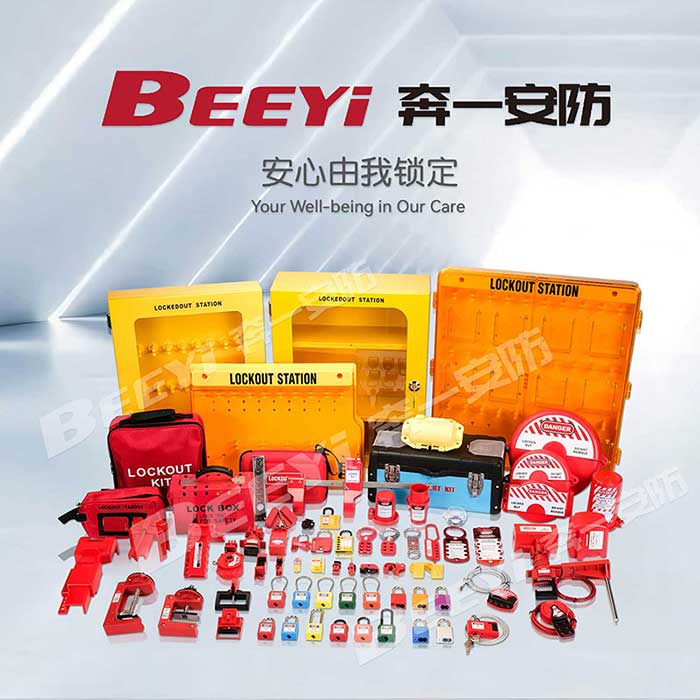
The Purpose of Safety Valve Locks Safety valves are designed to automatically release pressure from a system to prevent it from exceeding safe levels. However, during maintenance or repairs, it is critical that these valves remain closed to avert accidental disruptions. Safety valve locks serve as protective measures against such unintentional openings. They provide a physical deterrent that secures the valve in the closed position, ensuring that operators are safeguarded against sudden pressure releases. Importance of Safety Valve Lock Application Implementing a safety valve lock is not only a matter of compliance with industry regulations but also an ethical obligation to protect workers. The Occupational Safety and Health Administration (OSHA) and other regulatory bodies advocate for Lockout/Tagout (LOTO) procedures, which include the use of safety valve locks. Non-compliance can result in significant penalties and, more importantly, can endanger lives.