In the world of industrial automation, safety is a paramount concern. Ensuring the well-being of workers and protecting equipment and the environment are fundamental responsibilities for industries. A critical component in achieving safety in various applications is the Safety Relay, particularly those rated at Safety Integrity Level 3 (SIL 3). This article will explore the importance of Safety Relay SIL 3, its applications, performance criteria, and the benefits it offers to industries.
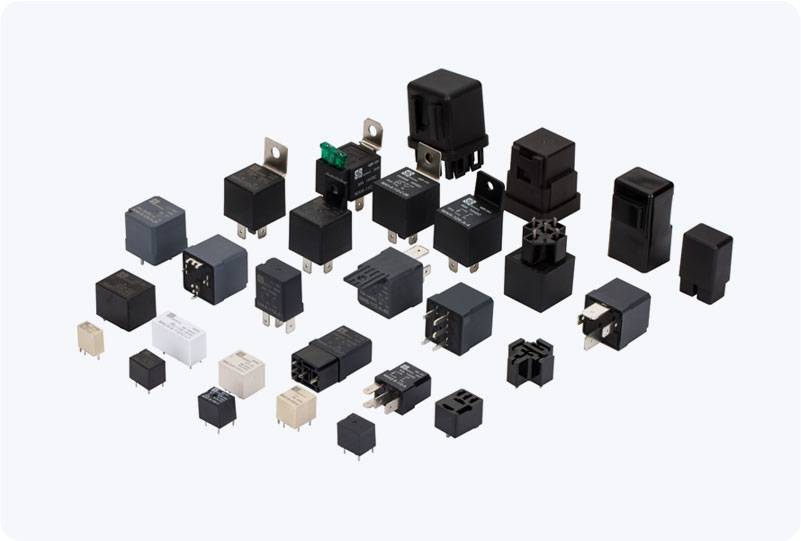
Safety Relays are specially designed devices that monitor safety functions and help prevent accidents by quickly shutting down equipment or processes in the event of a fault. The Safety Integrity Level (SIL) is a key metric used to determine the reliability and safety performance of these devices. SIL levels range from 1 to 4, with SIL 1 indicating the lowest level of risk reduction and SIL 4 the highest. SIL 3 indicates a high level of safety integrity, making these relays suitable for applications where risks to life, health, and the environment are significant. To achieve SIL 3, a Safety Relay must meet stringent performance criteria established by standards such as IEC 61508 and IEC 62061. One of the primary requirements for SIL 3 is a very low failure rate. Specifically, the failure rate of the device must not exceed 10^-5 to 10^-6 failures per hour. This low failure threshold ensures that the relay can effectively detect and manage faults without compromising safety.