Reverse Osmosis (RO) systems are widely used in water treatment applications, ensuring that we receive clean and purified water for both domestic and industrial use. A crucial component in the functionality of these systems is the Reverse Osmosis Solenoid Valve. This article explores the importance, working principle, and types of solenoid valves used in RO systems, and how they contribute to efficient water filtration and system longevity.
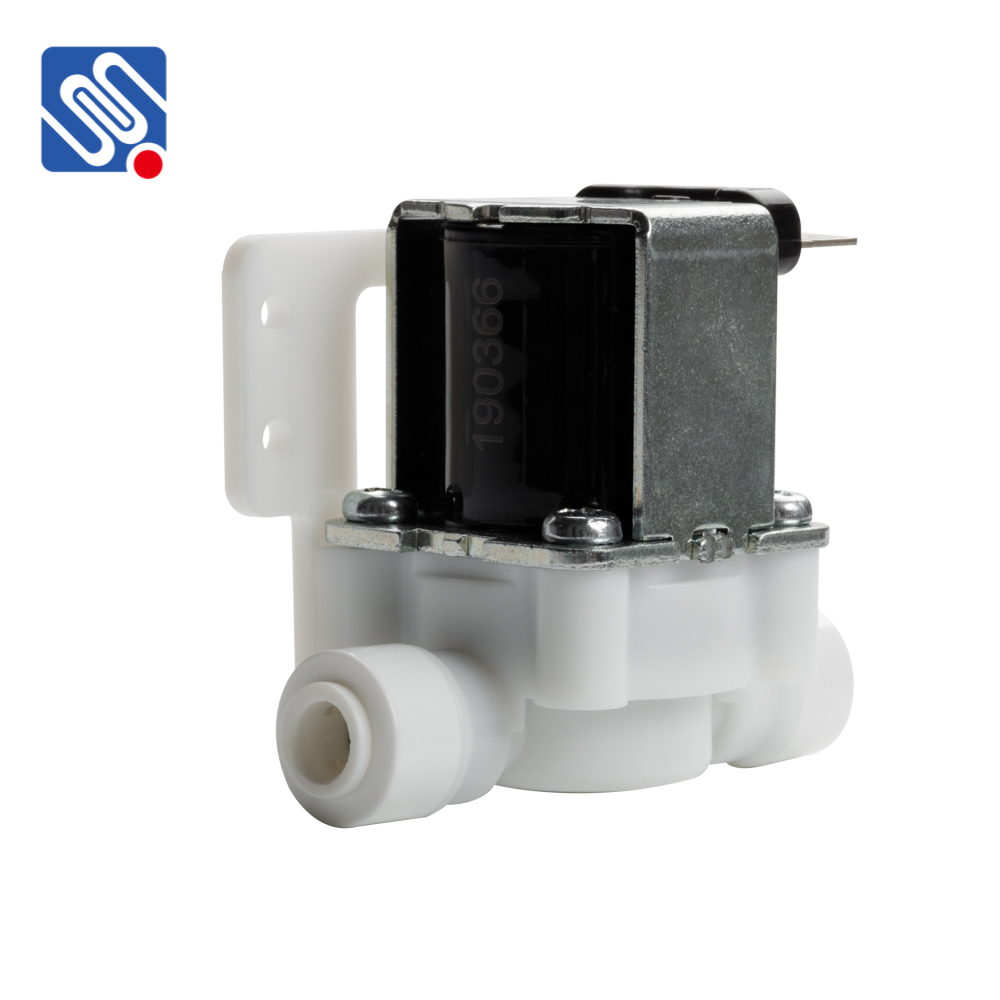
What is a Reverse Osmosis Solenoid Valve? A Reverse Osmosis Solenoid Valve is an electrically operated valve used to control the flow of water in an RO system. The solenoid valve works based on the principle of electromagnetism: when electrical current flows through a coil, it generates a magnetic field that actuates a mechanical valve, either opening or closing it. This allows precise control over the flow of water within the system, which is critical for the effective performance of the reverse osmosis process. The Role of the Solenoid Valve in RO Systems In reverse osmosis filtration, solenoid valves play a pivotal role in regulating water flow at various stages of the process. RO systems typically consist of a series of filters and membranes that remove impurities from the water. The solenoid valve helps to manage the flow of water at different stages, ensuring that the system functions optimally. Here are the key roles of the solenoid valve in an RO system: