Relay wiring is a fundamental aspect of electrical systems that involves the connection and configuration of relays within circuits. Relays are essential components in many electrical systems, acting as electrically operated switches. They allow low-power control signals to switch higher-power circuits, providing an efficient and safe way to manage electrical loads. Whether you’re designing a control system for an industrial machine, a home automation setup, or a vehicle’s electrical system, understanding how to properly wire a relay is crucial for ensuring the functionality and safety of the system.
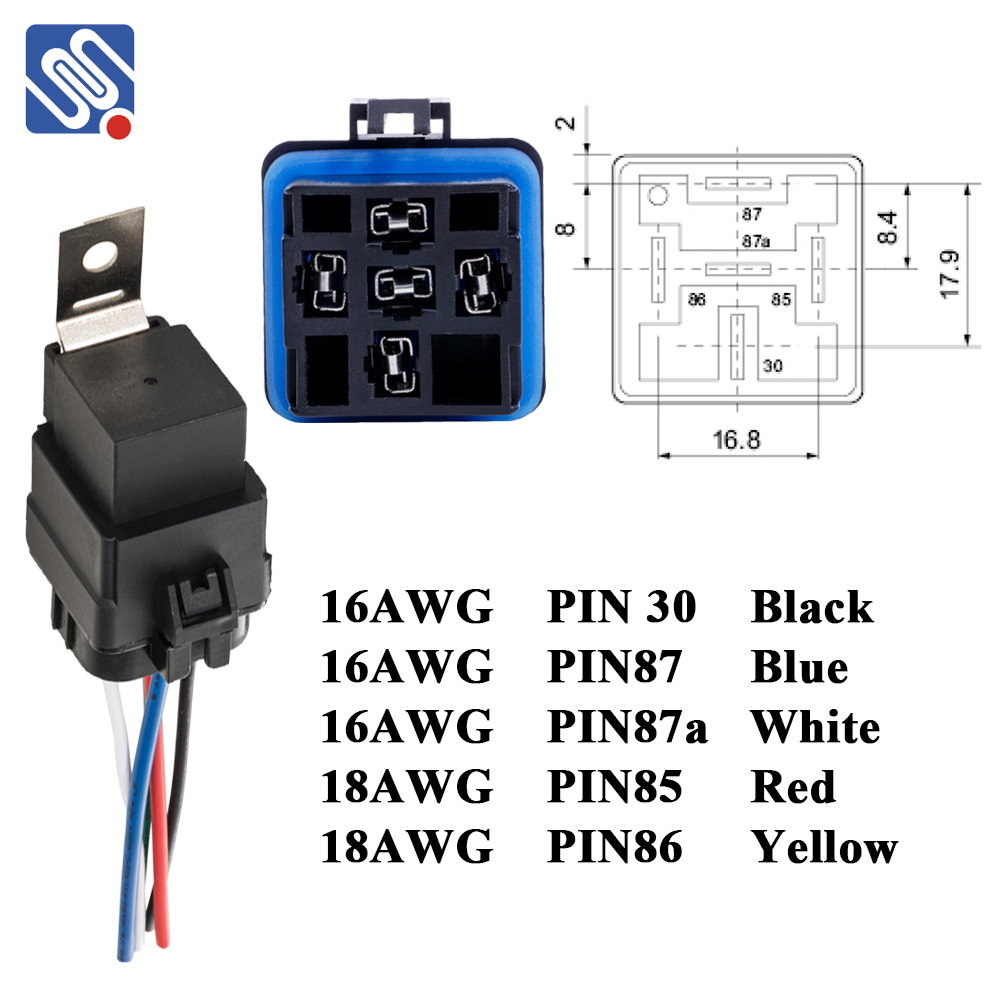
What is a Relay? A relay is an electrically operated switch that uses an electromagnet to open or close a set of contacts. The key components of a relay are the coil, which is energized to create the magnetic field, and the contacts, which can either be normally open (NO) or normally closed (NC). When current flows through the coil, the magnetic field causes the contacts to change states. Relays are typically used for switching applications where a low-power signal controls a high-power load. How Does Relay Wiring Work? The wiring of a relay involves connecting various components in a specific way to control a circuit. It is important to understand the basic components and their functions before setting up the wiring: