Relays are indispensable components in electrical and electronic systems, acting as switches that control high-voltage circuits with low-voltage signals. One crucial aspect of selecting a relay for any application is understanding its voltage rating. The relay voltage rating encompasses the maximum voltage a relay can handle without sustaining damage or malfunctioning. It plays a vital role in ensuring the relay functions safely and effectively in various electrical systems.
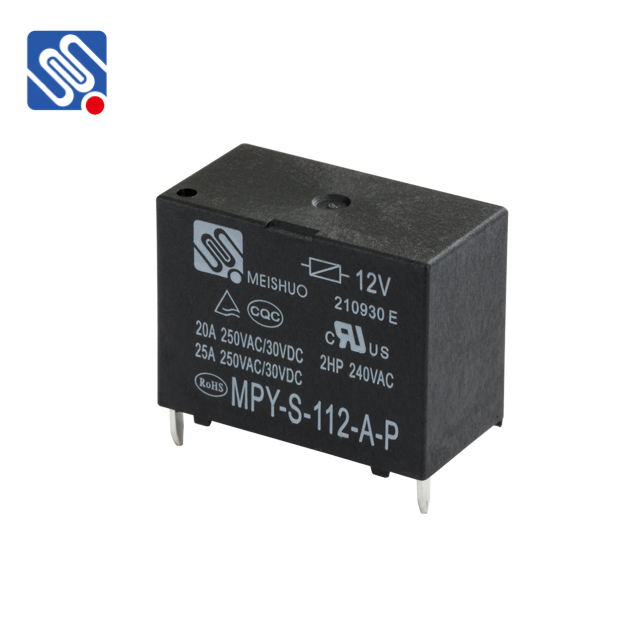
What is a Relay Voltage Rating? The relay voltage rating refers to the maximum voltage that a relay can safely operate under, divided into two main categories: coil voltage and contact voltage. Each of these plays an important role in the overall performance and safety of the relay. Coil Voltage Rating: This is the voltage required to energize the relay’s coil and activate the switching mechanism. It’s important that the coil voltage matches the power supply’s output to ensure proper activation. Common coil voltages include 5V, 12V, 24V, 48V, and 110V, but they can vary depending on the relay type and manufacturer.