Relays are fundamental components in electrical systems, widely used to control circuits by opening or closing contacts when an electrical signal is applied. One of the most important factors in choosing a relay for a specific application is the relay voltage. In this article, we will explore what relay voltage is, how it affects the operation of a relay, and why it is crucial to select the right relay voltage for your systems.
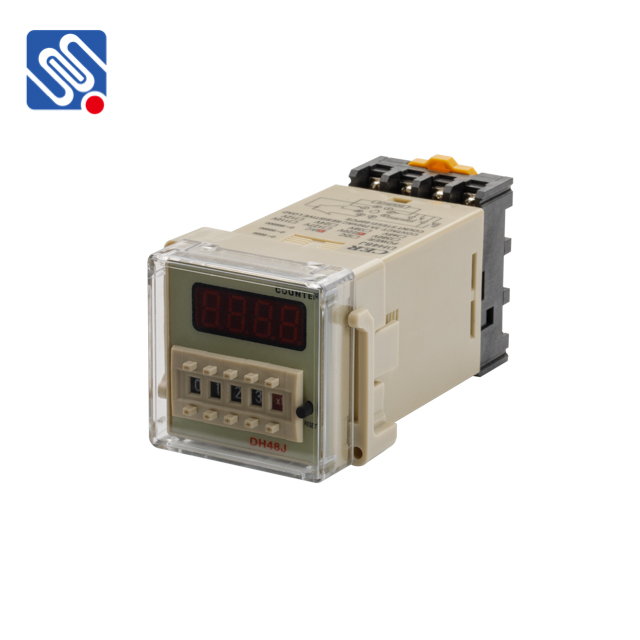
What is Relay Voltage? Relay voltage refers to the voltage that is applied to the coil of a relay to activate it. A relay consists of an electromagnet (the coil), a set of contacts, and a spring-loaded mechanism that operates the contacts when the coil is energized. When a voltage is applied to the coil, it generates a magnetic field, which pulls the armature, closing or opening the relay contacts to complete or break an electrical circuit. Relay voltage is a crucial parameter because it determines whether the relay will operate correctly. The voltage needs to match the specifications of the relay, ensuring the correct functioning of the coil, which in turn controls the switching of the contacts. If the voltage applied to the relay coil is too low, the relay may fail to activate, while too high a voltage could damage the coil and shorten the relay’s lifespan.