Relay stability is a crucial concept in control systems, particularly in those that utilize relays for decision-making and switching operations. It refers to the ability of a relay to maintain stable performance without triggering unwanted oscillations or erratic behavior in the system. Relay-based systems, often found in electrical protection, automation, and temperature regulation, require careful attention to stability to ensure optimal functioning. This article explores the concept of relay stability, its significance, and how engineers can analyze and improve it in control systems.
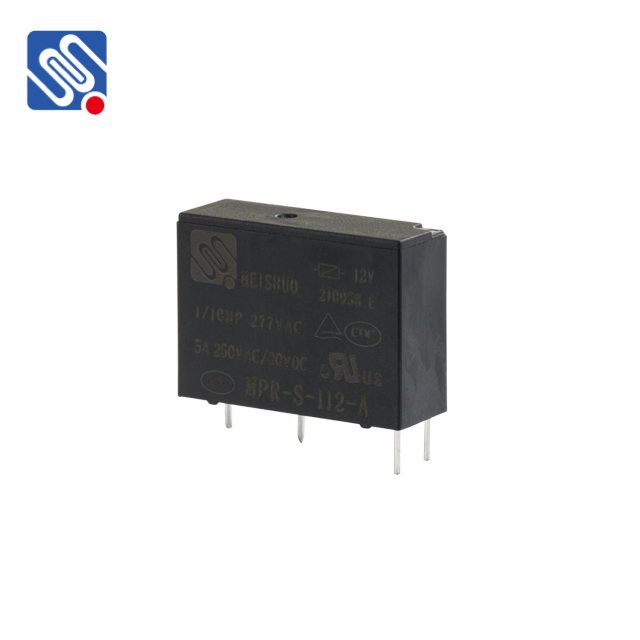
What is Relay Stability? Relay stability is a measure of how reliably a relay-based system responds to control signals without causing instability. In the context of control systems, a relay acts as a switch that turns on or off depending on the input it receives. The input could be anything from a temperature measurement to a voltage level. However, due to the nature of relays, which have discrete on/off states, their actions can sometimes lead to instability in systems, especially when the relay’s switching is too frequent or too delayed. Importance of Relay Stability In many control systems, relays are used for essential functions, such as controlling the temperature in heating systems or regulating pressure in pipelines. If the relay behaves unpredictably, it can lead to inefficient or dangerous operation. For instance, if a relay continuously switches on and off without settling, it can cause oscillations in the system’s output. This is particularly problematic in systems that rely on precise control, such as motor drives or power regulation systems.