Relays are essential electromechanical switches widely used in various applications from industrial automation to consumer electronics. Given the critical role they play, understanding relay specifications is crucial for engineers, designers, and technicians when selecting the appropriate relay for specific tasks. This article aims to explore the key specifications that define relays, helping professionals make informed decisions in their projects.
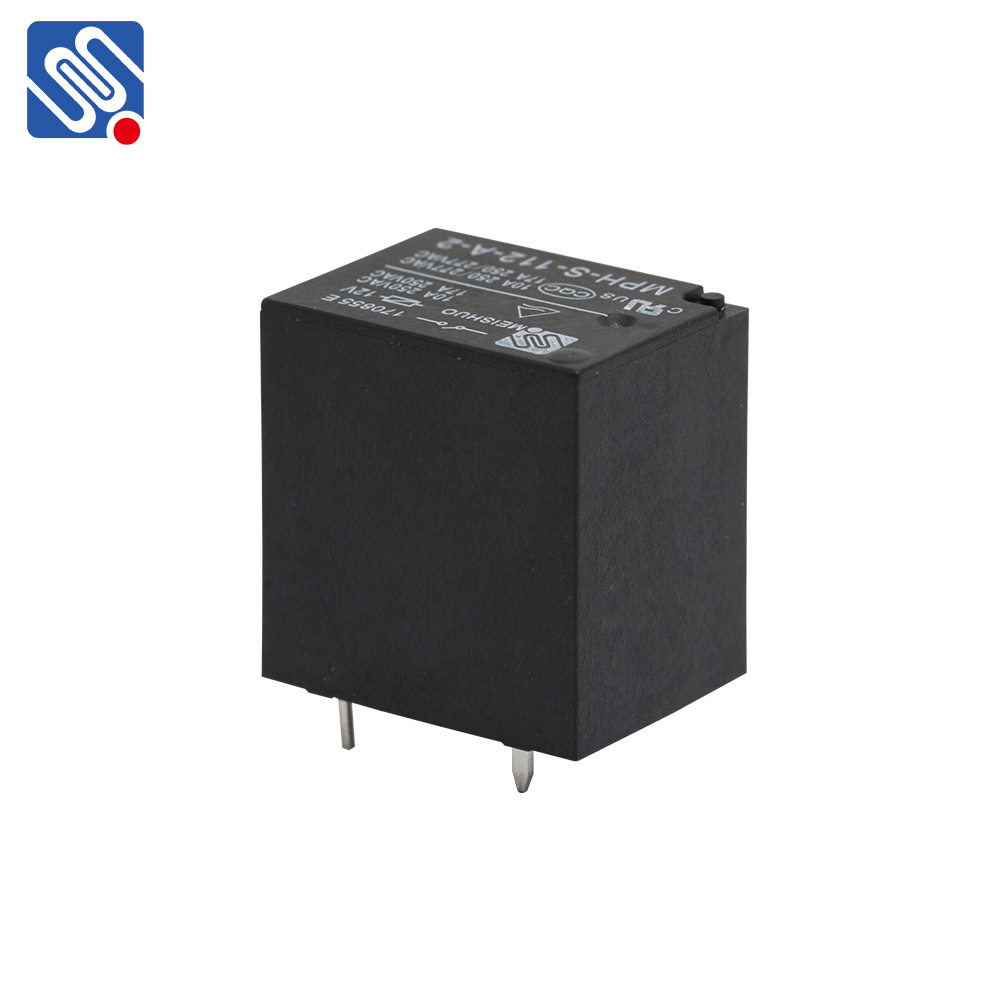
At the heart of relay specifications lies the rated voltage and current. These parameters denote the maximum voltage and current the relay can handle while functioning optimally. Choosing a relay with ratings that exceed the operational demands is essential for ensuring reliability and longevity. For example, if a relay is used in a circuit with a 12V supply and a load current of 10A, selecting a relay with ratings of at least 15V and 12A is advisable to account for potential fluctuations and ensure the relay operates efficiently without risk of failure. Another critical aspect of relay specifications is the type of relay being used. There are various types of relays, including electromagnetic relays, solid-state relays, and hybrid relays. Electromagnetic relays, which utilize an electromagnet to mechanically operate the switch, are common in many applications due to their simplicity and effectiveness. Solid-state relays, on the other hand, use semiconductor devices to operate the switching functions without moving parts, offering advantages in speed and durability. Understanding the differences between these types allows for better selection based on the application’s requirements.