Relays are crucial components in modern electrical and electronic systems, playing a vital role in controlling circuits and ensuring the safe operation of electrical devices. A relay is essentially an electrically operated switch that allows a low power signal to control a high power load. Understanding relay specifications is key to selecting the right relay for a specific application, ensuring both functionality and longevity of the system. In this article, we will delve into the critical relay specifications that engineers need to consider when choosing a relay for any project.
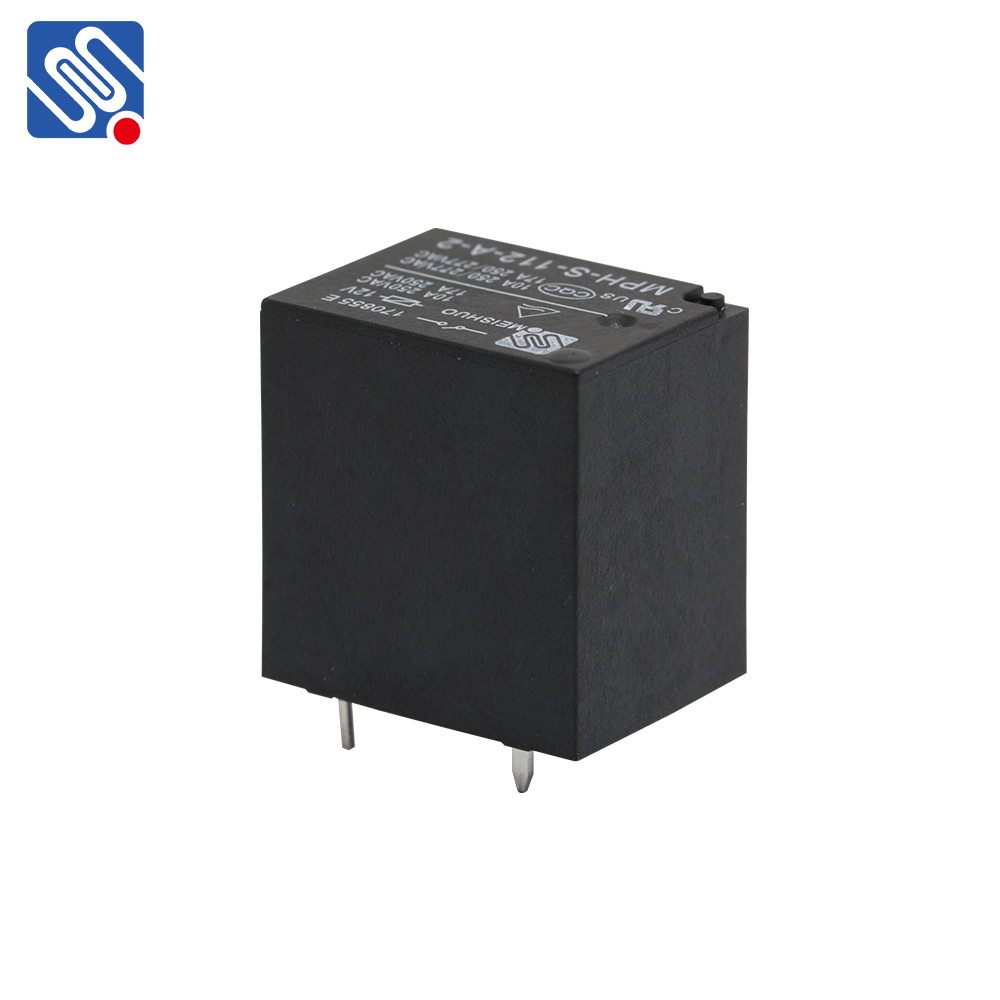
1. Rated Voltage and Current One of the primary specifications of a relay is its rated voltage and current. These values refer to the maximum voltage and current that the relay’s contacts can handle under normal operating conditions. It is essential to select a relay with a voltage and current rating that matches or exceeds the requirements of the circuit it will control. If the voltage or current rating is exceeded, the relay may fail, potentially damaging the circuit or even causing safety hazards. The rated voltage typically applies to both the coil and the contacts. For example, if the relay is controlling a 12V DC motor, the relay’s coil should also be rated for 12V, and the contacts must be capable of handling the current drawn by the motor.