In modern electrical systems, relay safety features play a crucial role in maintaining operational safety and protecting equipment from potential hazards. Relays are intelligent devices that monitor electrical conditions and trigger protective actions when anomalies occur. They are widely used in power distribution systems, industrial machinery, and motor control circuits to ensure that both equipment and personnel remain safe under abnormal conditions. Understanding the various safety features integrated into relays is essential for engineers, technicians, and safety managers alike.
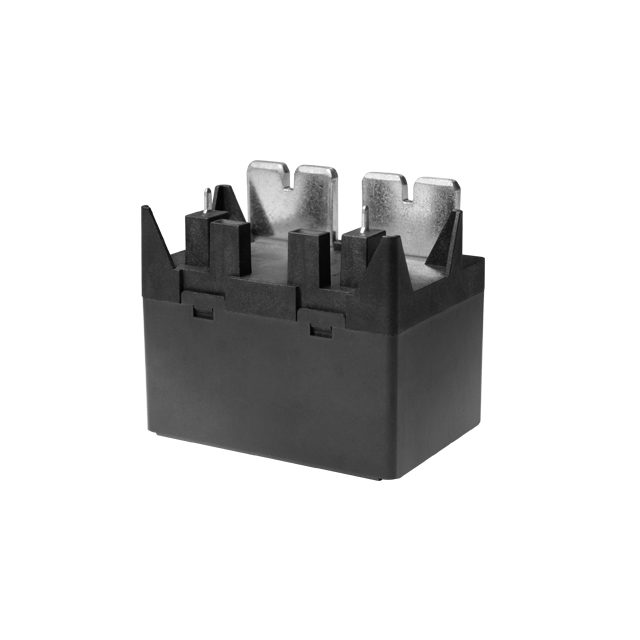
One of the fundamental relay safety features is overcurrent protection. Overcurrent occurs when the current in a circuit exceeds the designed capacity, often due to short circuits, overloads, or equipment faults. Relays equipped with overcurrent protection can detect these excessive currents and isolate the affected circuit, preventing damage to electrical devices and reducing the risk of fire hazards. This feature is especially important in high-voltage systems, where even a brief overload can cause significant harm. Another critical safety feature is voltage monitoring, which includes both undervoltage and overvoltage protection. Electrical systems operate within a specified voltage range, and deviations from this range can cause equipment malfunction or failure. Undervoltage relays disconnect the load when the voltage drops below a safe threshold, preventing motors from operating inefficiently or overheating. Similarly, overvoltage relays act to protect sensitive components from voltage spikes, which could otherwise lead to insulation breakdown or catastrophic failures.