Relay reliability is a critical concept in the design, performance, and longevity of electrical systems. Relays are vital components in modern electronics and electrical circuits, acting as automated switches that control the flow of electricity. Their main function is to open or close a circuit in response to a signal, typically from a low-power control system. As with all electrical components, ensuring the reliability of relays is crucial for maintaining the smooth and safe operation of equipment, particularly in complex systems that rely on precise and repetitive switching.
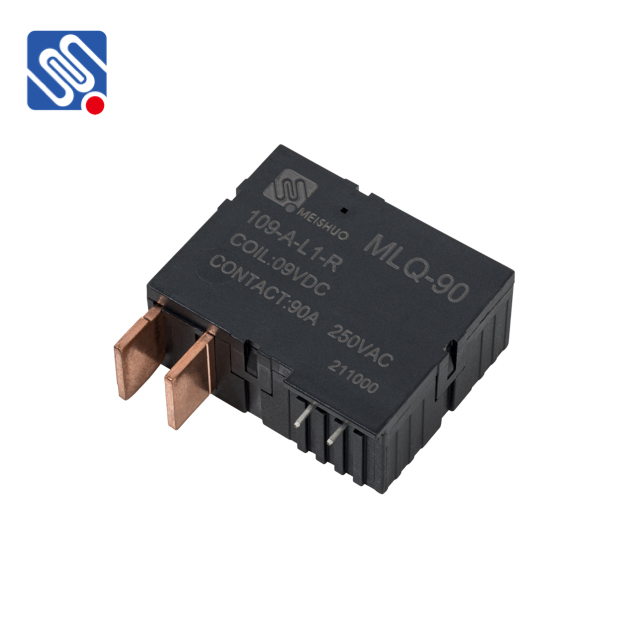
What is Relay Reliability? Relay reliability refers to the ability of a relay to perform its intended function without failure over time. This includes factors such as the relay’s mechanical life, electrical life, and its ability to function consistently under varying environmental conditions. A reliable relay is one that can handle its specified load and operational conditions while minimizing the risk of malfunctions, such as contact wear, failure to switch, or erratic behavior due to environmental stress. Key Factors Influencing Relay Reliability Mechanical Durability: The mechanical reliability of a relay is often measured by its mechanical life cycle, which is the number of times the relay can operate (open or close) under no electrical load before it starts to fail. Typically, mechanical durability is higher than electrical durability, and relays are designed to endure millions of mechanical cycles without significant wear. However, issues like poor assembly, excessive vibration, or improper usage can negatively impact the mechanical reliability.