Relay systems are integral to a wide variety of electronic, telecommunication, and networking applications. These systems are designed to control the flow of current or signals based on specific parameters and conditions. The performance and reliability of a relay system depend heavily on the correct configuration and understanding of Relay parameters. In this article, we will explore the fundamental relay parameters, their significance, and how they impact the operation of relay systems.
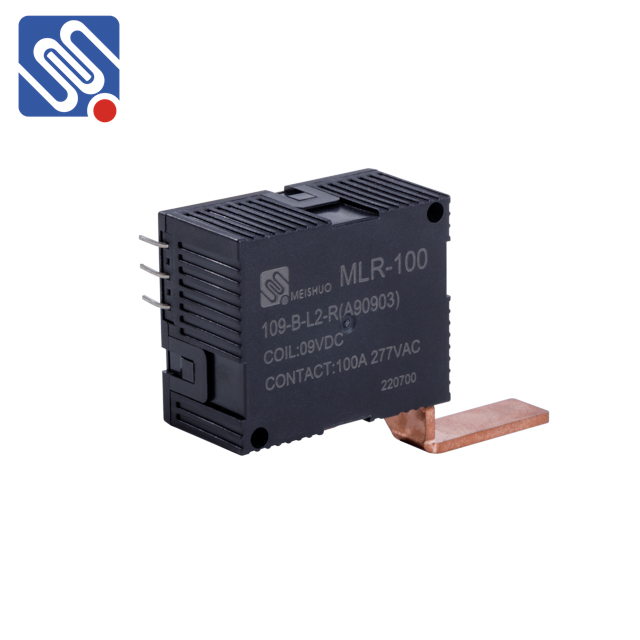
Introduction to Relay Systems A relay is an electrically operated switch that opens or closes circuits based on a control signal. It is commonly used in electrical systems, telecommunications, and networking to control a circuit’s operation without directly manipulating the power supply. Relays are designed to handle various electrical parameters, and understanding these parameters is crucial to selecting the appropriate relay for a given application. Key Relay Parameters 1. Coil Voltage The coil voltage is one of the most critical parameters in relay operation. This is the voltage required to energize the relay’s coil, allowing it to operate and change the state of the switch. The coil voltage is typically specified in the relay’s datasheet and must match the control voltage of the system. If the coil voltage is too high or too low, it can lead to improper relay operation or damage to the relay.