Relays are essential components in many electrical systems, enabling low-power control of high-power devices. One of the most critical factors when designing circuits that include relays is understanding the concept of relay load. The relay load refers to the electrical load that a relay is designed to control. This load can include various electrical devices such as motors, lamps, heating elements, and more. Properly selecting and managing relay loads is crucial for ensuring the longevity and reliability of both the relay and the connected devices. In this article, we will explore what relay load is, how it affects relay performance, and key considerations for correctly choosing and managing relay loads.
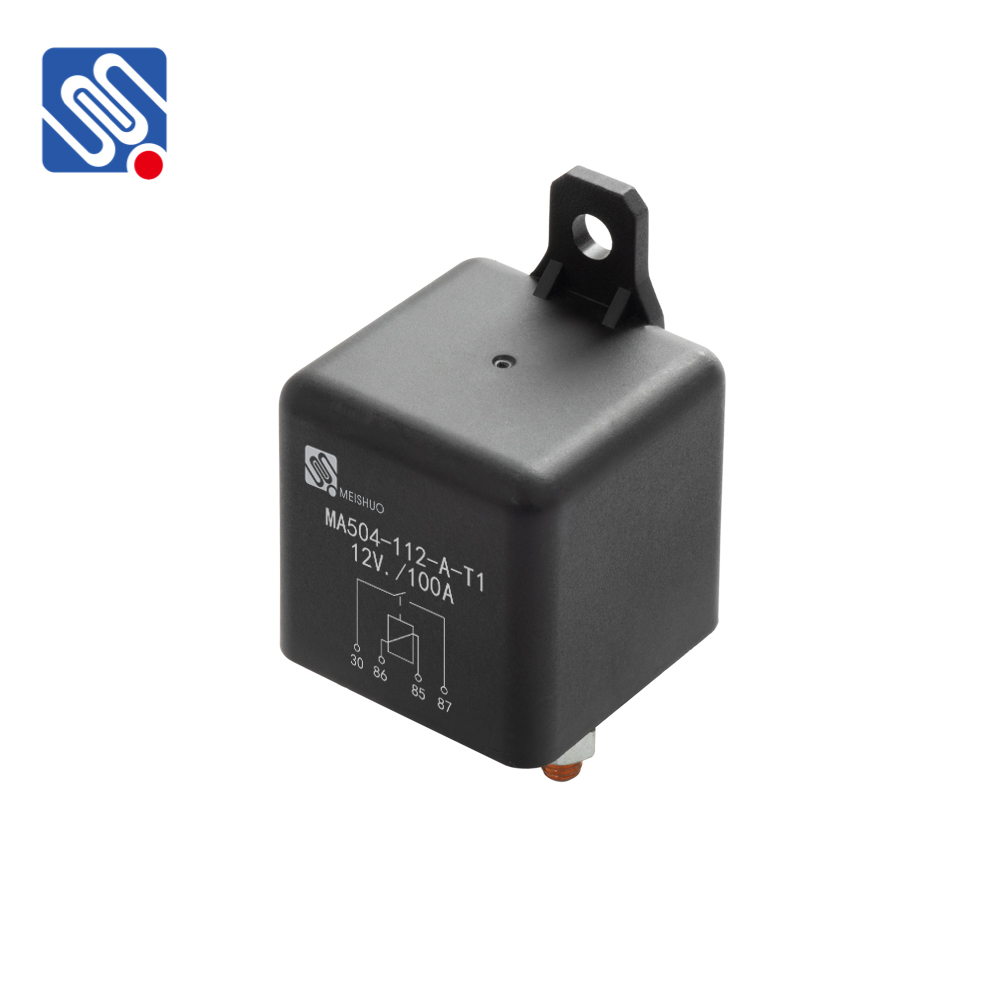
What is Relay Load? A relay is an electrically operated switch that controls one circuit by opening or closing contacts in another circuit. When a relay is activated, an electromagnetic coil creates a magnetic field that moves a set of contacts, either completing or breaking the circuit. The term relay load refers to the electrical demand (voltage and current) that the relay is expected to handle. This load could be resistive, inductive, or capacitive, and it determines the type of relay needed for a particular application. Types of Relay Loads Resistive Load: A resistive load is one where the resistance is constant, such as incandescent light bulbs or heating elements. These devices have a steady electrical draw and typically do not present a significant challenge to relays, as the current flow is relatively constant and predictable.