Relay load is a crucial concept in the field of electrical engineering, particularly when it comes to switching circuits. A relay is essentially an electrically operated switch that allows you to control a high-power circuit with a low-power signal. The load connected to the relay determines the performance and the types of applications the relay can be used for. In this article, we will explore the different types of relay loads, their applications, and important considerations for selecting the right relay for a specific load.
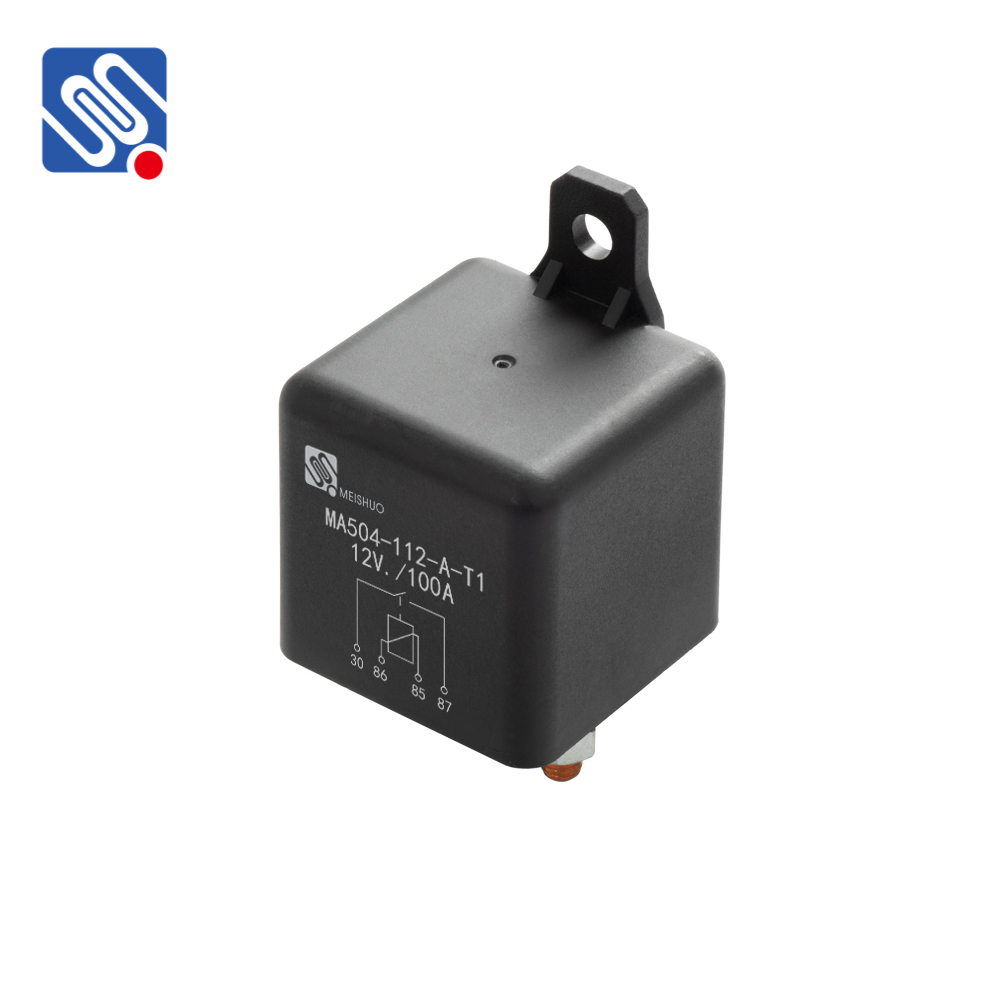
What is a Relay? Before diving into the specifics of relay loads, it’s important to understand what a relay is and how it functions. A relay is an electromagnetic device used to control the opening and closing of a circuit. It typically consists of a coil that, when energized, generates a magnetic field, attracting a set of contacts that open or close the circuit. This allows the relay to switch between on/off states, controlling the flow of current. Relays are used in a wide variety of applications, from automotive systems to industrial machinery and home appliances. The versatility of relays comes from their ability to handle different types of loads, including resistive, inductive, and capacitive loads.