Relay isolation plays a crucial role in modern electrical systems, offering significant benefits in terms of safety, reliability, and system protection. By utilizing a relay, which acts as an electrical switch controlled by a low voltage signal to operate a higher voltage circuit, relay isolation ensures that different parts of the system are electrically separated. This separation is vital for preventing damage due to electrical surges, reducing the risk of equipment failure, and protecting sensitive components. This article explores the concept of relay isolation, its working principle, and the reasons why it is indispensable in various applications.
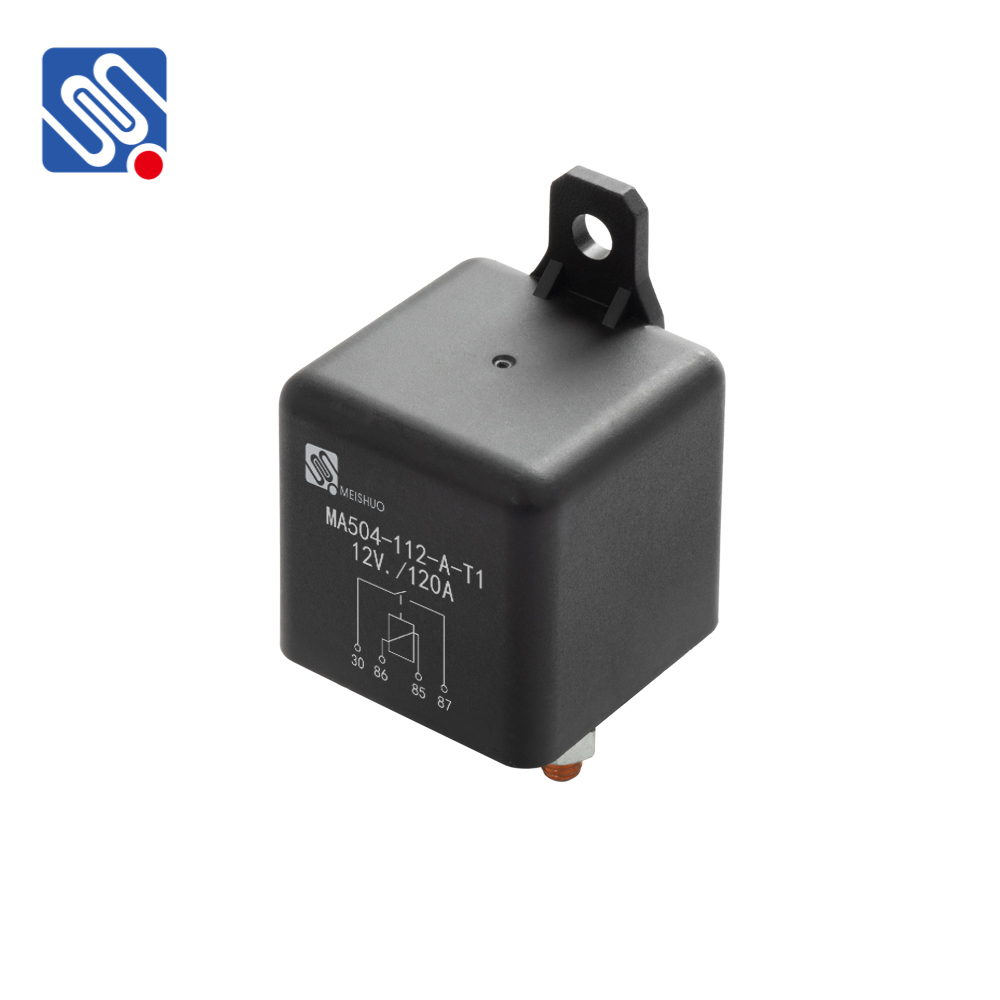
What is Relay Isolation? Relay isolation refers to the separation of electrical circuits using a relay. A relay is an electromagnetic switch that allows one circuit to control another without a direct electrical connection between them. The primary purpose of relay isolation is to protect sensitive circuits from electrical faults, high voltages, or current surges that could otherwise lead to equipment damage or system failure. In a typical relay setup, an electromagnetic coil is energized by a low voltage control signal, which then activates the relay contacts. These contacts can open or close a separate high voltage circuit. The key advantage here is that the coil and the contacts are physically separated, ensuring no direct electrical connection between the control circuit and the switching circuit, thus achieving isolation.