Relay functional testing is a crucial process in ensuring the safe and efficient operation of electrical and automation systems. Relays play an essential role in controlling and monitoring the flow of electricity, providing a protective mechanism in many industrial, commercial, and residential applications. Without proper functional testing, relays may malfunction or fail, potentially leading to equipment damage, system downtime, or even safety hazards. In this article, we will explore the importance of relay functional testing, its methods, and the best practices to guarantee reliable system performance.
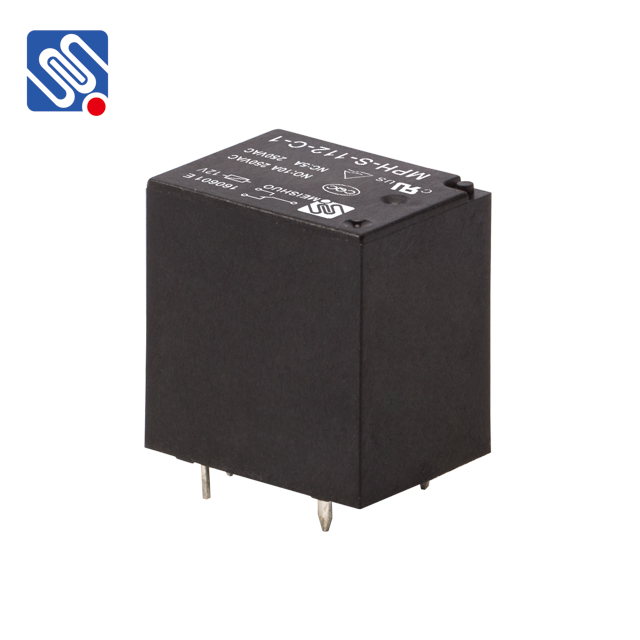
What is Relay Functional Testing? Relay functional testing refers to the process of verifying that a relay performs its intended functions accurately under different conditions. Relays are electrically operated switches used to control circuits by opening or closing contacts based on input signals. These signals can be electrical, such as voltage or current, or mechanical, such as temperature or pressure changes. A relay’s main purpose is to switch on or off an electrical circuit, and its operation must be precise to ensure that the system it serves works as designed. Functional testing focuses on assessing the relay’s performance to ensure it responds to control signals appropriately, engages or disengages at the correct time, and handles the required load without failure.