Relays are indispensable components in modern electrical systems, performing the essential task of switching electrical circuits on and off. One of the key specifications that determines the performance and suitability of a relay for a particular application is its relay current rating. This rating plays a crucial role in ensuring the reliability, safety, and efficiency of both the relay and the circuits it controls. In this article, we will explore what relay current rating means, the factors that influence it, and how to choose the right relay for your application.
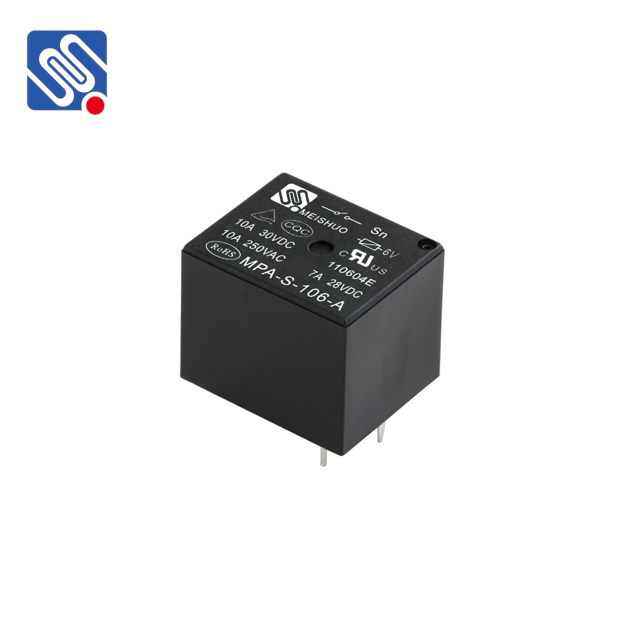
What is Relay Current Rating? The relay current rating refers to the maximum electrical current that a relay’s contacts can safely handle during normal operation without risking damage or failure. It is usually specified as part of the relay’s technical datasheet and is crucial in determining whether the relay is suitable for a particular electrical circuit. The current rating is typically given in amperes (A) and can be divided into two key categories: Rated Load Current: This is the maximum current that the relay can switch under normal operating conditions, often based on the type of load it is controlling, such as resistive, inductive, or capacitive loads.