Relay current plays a pivotal role in the functionality of relays, which are essential components in a wide array of electrical systems. These devices enable the control of high-power circuits through low-power electrical signals, making them indispensable in everything from household appliances to industrial machinery. Understanding relay current—both the coil current and contact current—is crucial for ensuring the effective operation of relays, avoiding potential damage, and optimizing system performance.
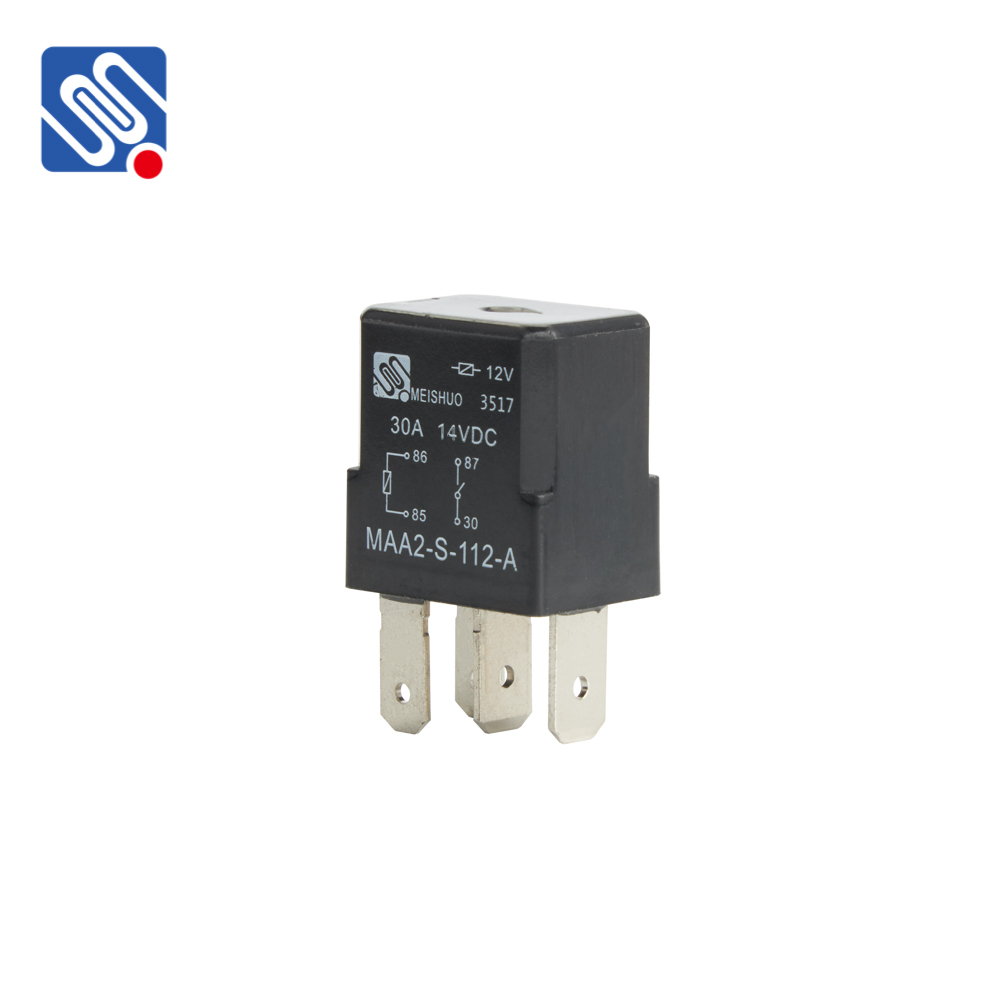
What is Relay Current? Relay current refers to the electrical current that flows through the relay’s coil and contacts during operation. There are two main types of relay current: coil current and contact current. The coil current is the current required to energize the relay coil, creating the magnetic field necessary to switch the relay’s contacts. The contact current, on the other hand, is the current that flows through the relay’s contacts when they are closed, allowing the connected circuit to be powered. Coil Current: The Driver of Relay Action The coil current is the amount of electrical current that flows through the relay’s coil when it is activated. Relays use an electromagnet to generate a magnetic field when current is passed through the coil. This magnetic field pulls the relay’s armature, which causes the contacts to open or close, depending on the type of relay. The coil current is typically low because the coil itself is designed to operate at a low voltage, often in the range of 5 to 24 volts, and the current is usually in the milliamps (mA) range.