Relay compatibility is a crucial concept in the field of electrical engineering and automation. It refers to the ability of a relay to work seamlessly with the electrical circuit or system it controls, without causing damage or failure. In simple terms, it’s about ensuring that the relay can handle the required electrical load and operate as expected within the given conditions. In this article, we will explore the factors that affect relay compatibility, the importance of proper selection, and how to ensure optimal performance.
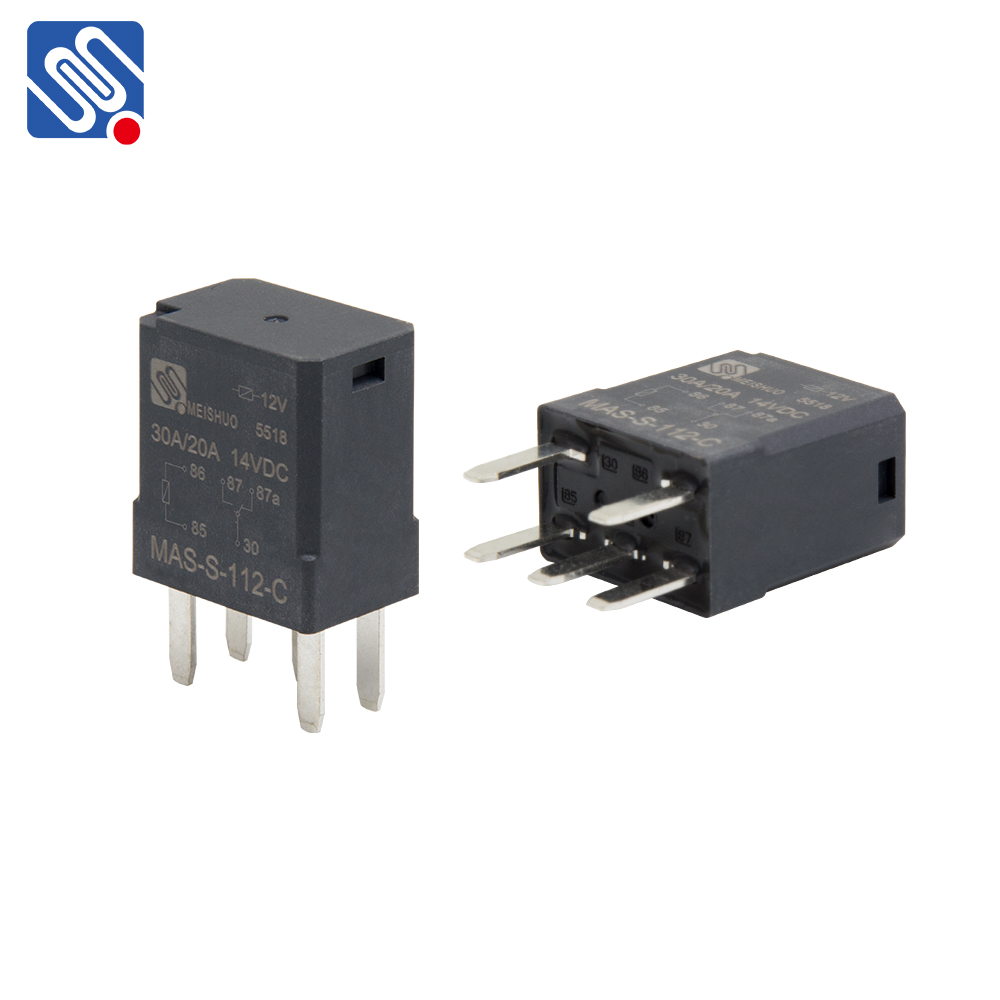
1. What is a Relay? A relay is an electrically operated switch that uses an electromagnet to open or close the circuit. It allows a low-power control signal to switch a higher-power load, often used in automation, control systems, and electrical circuits. Relays come in various types, including electromagnetic, solid-state, and thermal relays, with the most common type being the electromagnetic relay. 2. Key Factors Affecting Relay Compatibility To ensure relay compatibility, several key factors must be considered: 2.1. Voltage Compatibility The most critical factor when choosing a relay is the voltage compatibility between the relay coil and the control circuit. Each relay has a specific coil voltage rating, such as 12V DC, 24V DC, or 230V AC. The coil voltage determines the amount of current required to energize the relay and activate the switching mechanism. It’s essential to select a relay with a coil voltage that matches the control signal to avoid malfunctioning or damage.