A relay circuit is a critical component in many electrical and electronic systems. It acts as a switch, allowing a small current to control a larger current in another part of a circuit. This article will explore the principles behind relay circuits, their applications, and the basic considerations involved in designing a relay-based system.
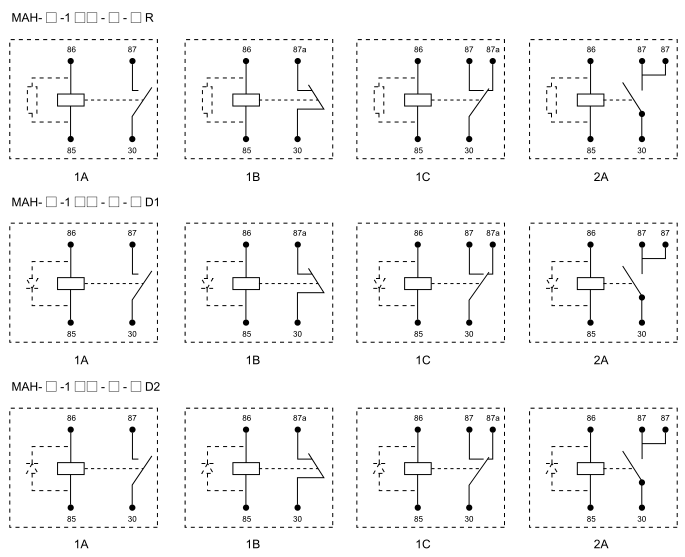
What is a Relay Circuit? A relay is an electromagnetic switch that is used to control the flow of electricity in a circuit. When an electrical current passes through the coil (electromagnet), it generates a magnetic field that either opens or closes the relay’s switch. There are different types of relays, including mechanical relays, solid-state relays, and reed relays, each with specific uses and characteristics. However, the fundamental principle remains the same: an electrical current in the coil controls a separate circuit. Components of a Relay Circuit A relay circuit typically consists of several key components: