The PVC solenoid valve is a vital component in various industrial processes, offering a reliable means to control fluid flow. As the name suggests, these valves are made from polyvinyl chloride (PVC), a lightweight and durable thermoplastic material. This article delves into the myriad applications, advantages, and considerations associated with PVC solenoid valves, making them an indispensable choice for many industries.
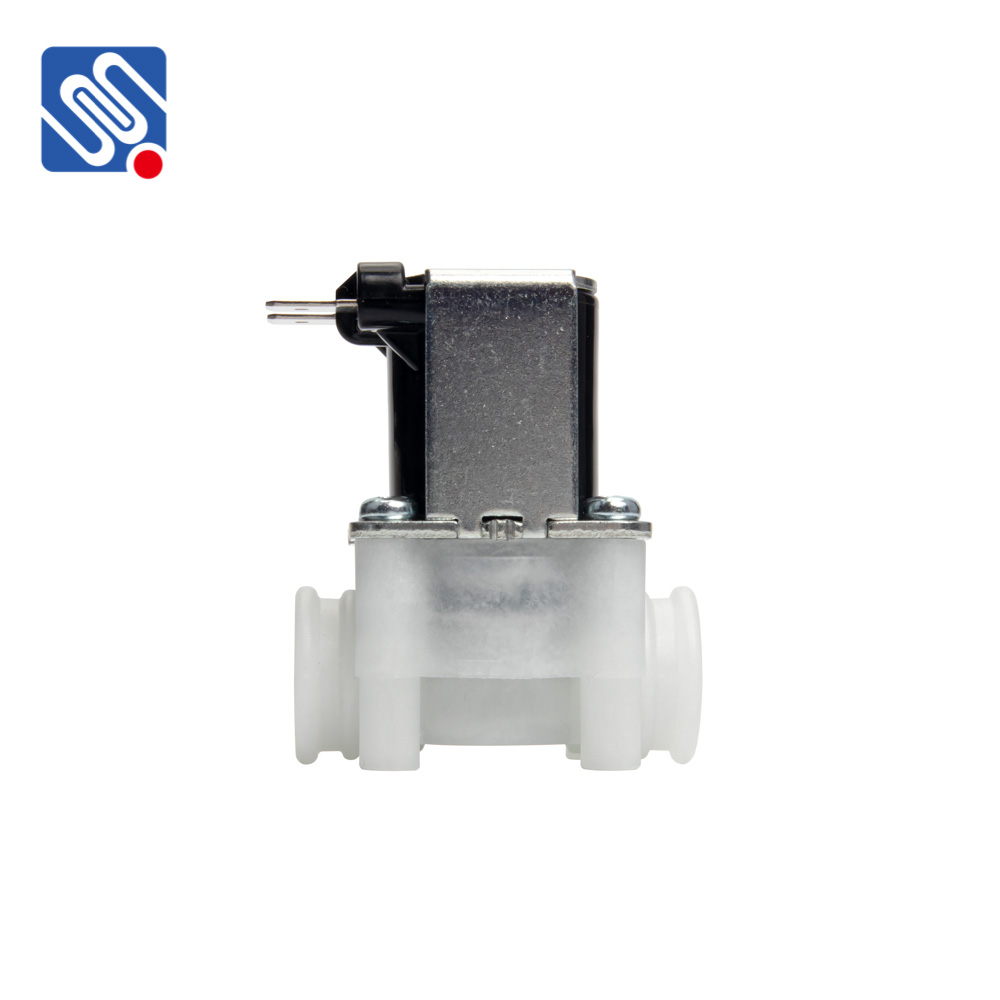
What is a PVC Solenoid Valve? A PVC solenoid valve operates by using an electromagnetic coil that, when energized, generates a magnetic field that either opens or closes the valve. This allows for precise control over the flow of liquids and gases. PVC solenoid valves can be found in either normally open or normally closed configurations, giving flexibility for different applications. Applications of PVC Solenoid Valves Water Treatment: One of the most common applications of PVC solenoid valves is in water treatment facilities. They are used to control the flow rates of various treatments, ensuring that the correct amounts of chemicals are added to the water. Their corrosion resistance makes them ideal for handling aggressive substances and maintaining the integrity of the system.