In today’s rapidly advancing electrical infrastructure, the reliability and safety of power distribution systems are more crucial than ever. A key component in maintaining these standards is the Power Distribution Relay (PDR). This device plays an essential role in protecting electrical systems from faults, ensuring that electrical power is delivered safely and consistently. But what exactly is a Power Distribution Relay, and how does it contribute to the overall functionality of power grids? This article will explore its purpose, features, types, and applications.
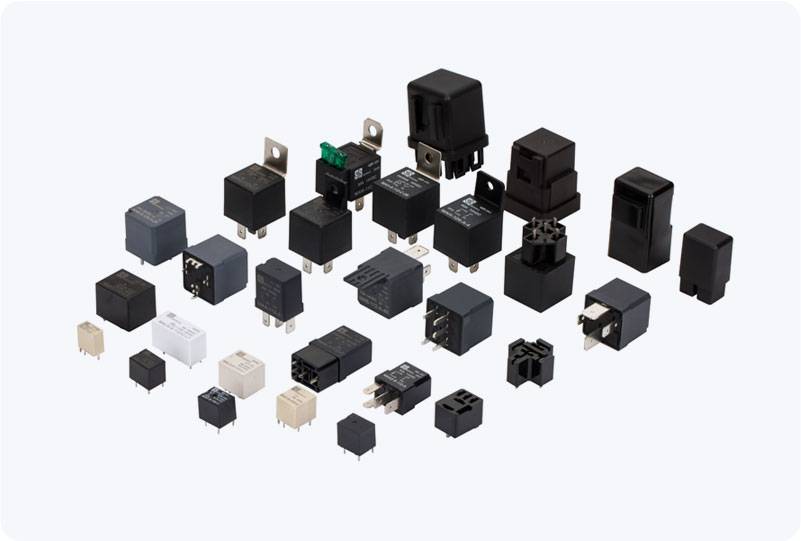
What is a Power Distribution Relay? A Power Distribution Relay is an electrical device used to monitor and protect power distribution systems. Essentially, it functions as an automatic switch that can isolate faulty sections of a power grid when irregular conditions—such as overloads, short circuits, or voltage spikes—occur. These relays detect the abnormality in real time and take immediate action by triggering circuit breakers, ensuring that the rest of the system remains operational and undamaged. By responding quickly to potential issues, Power Distribution Relays prevent further damage, reduce downtime, and help avoid the cascading failure of larger sections of the grid.