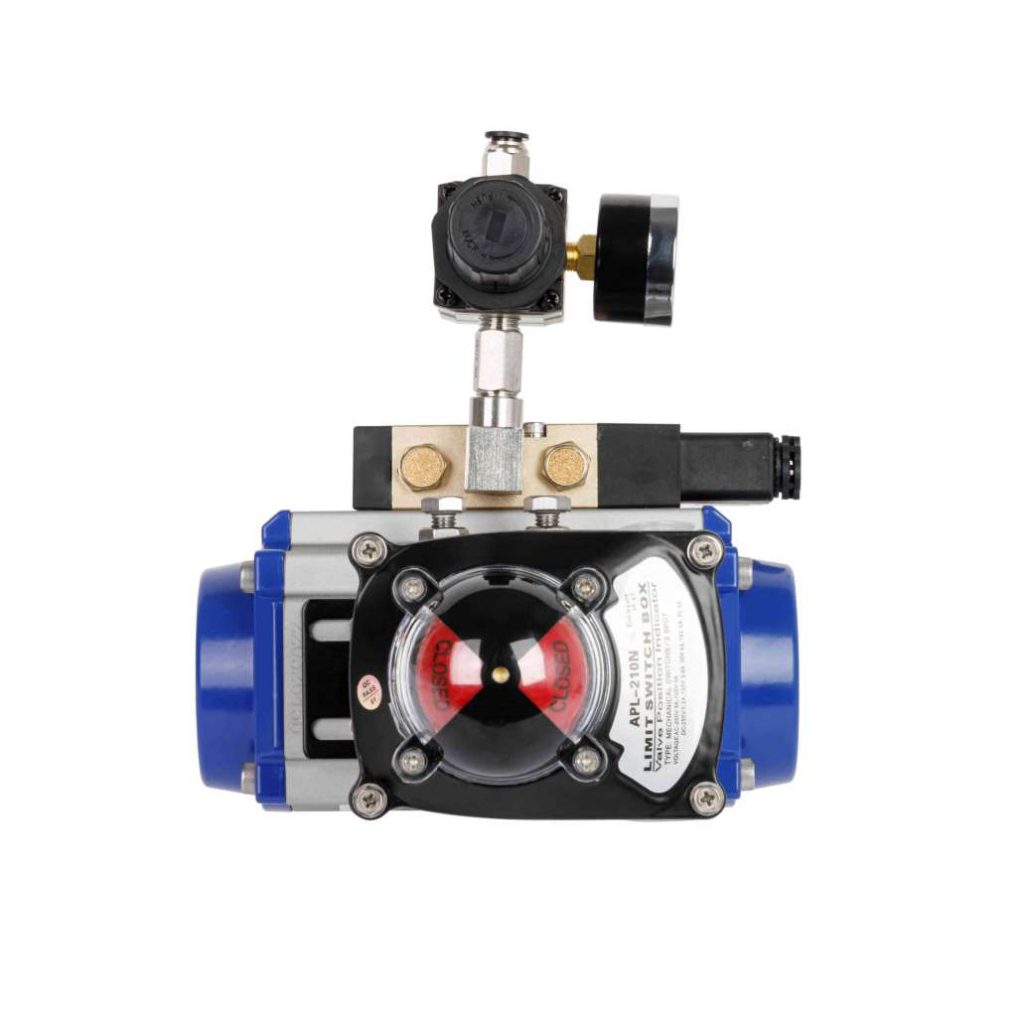
Pneumatic actuators are integral components in modern automation and control systems, where they convert compressed air into mechanical motion. These actuators are widely used across various industries due to their simplicity, efficiency, and reliability. In this article, we will explore the principles of pneumatic actuators, their applications, and the benefits they bring to numerous sectors.
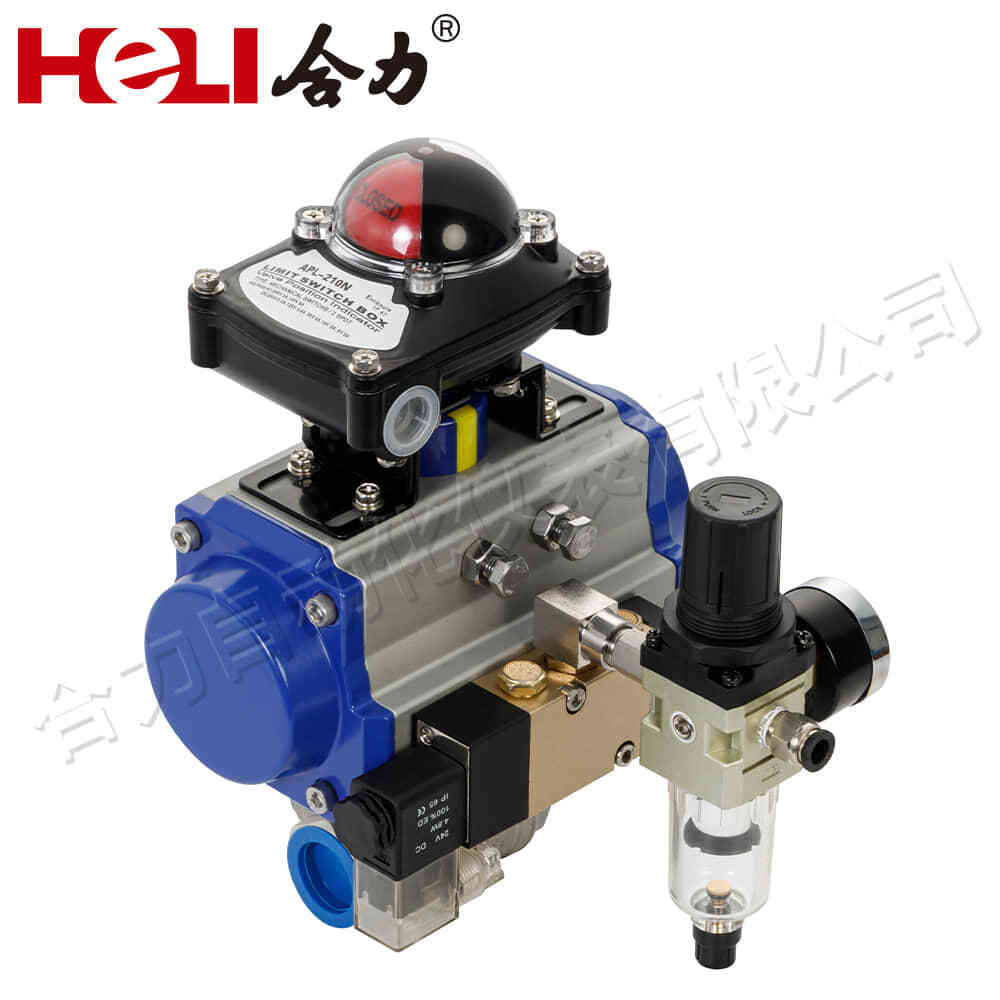
What is a Pneumatic Actuator?
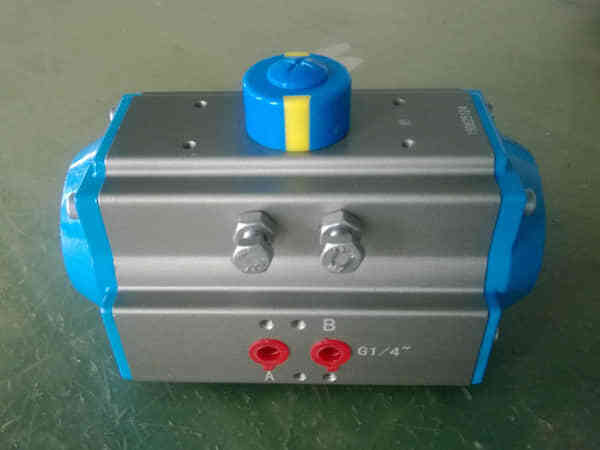
A pneumatic actuator is a device that uses compressed air to generate motion. The core working principle is quite simple: compressed air enters the actuator and pushes a piston or diaphragm inside, causing linear or rotary movement. The amount of movement depends on the volume and pressure of the air applied. Pneumatic actuators are most commonly classified into two types: linear and rotary actuators. Linear pneumatic actuators, often referred to as pneumatic cylinders, produce straight-line motion. The piston inside the cylinder moves back and forth, and this motion can be used to drive various mechanical processes such as opening or closing valves, moving assemblies, or pushing objects along a production line. On the other hand, rotary pneumatic actuators convert the pressure of compressed air into rotational movement, ideal for applications like driving wheels, turning parts, or operating industrial machinery.