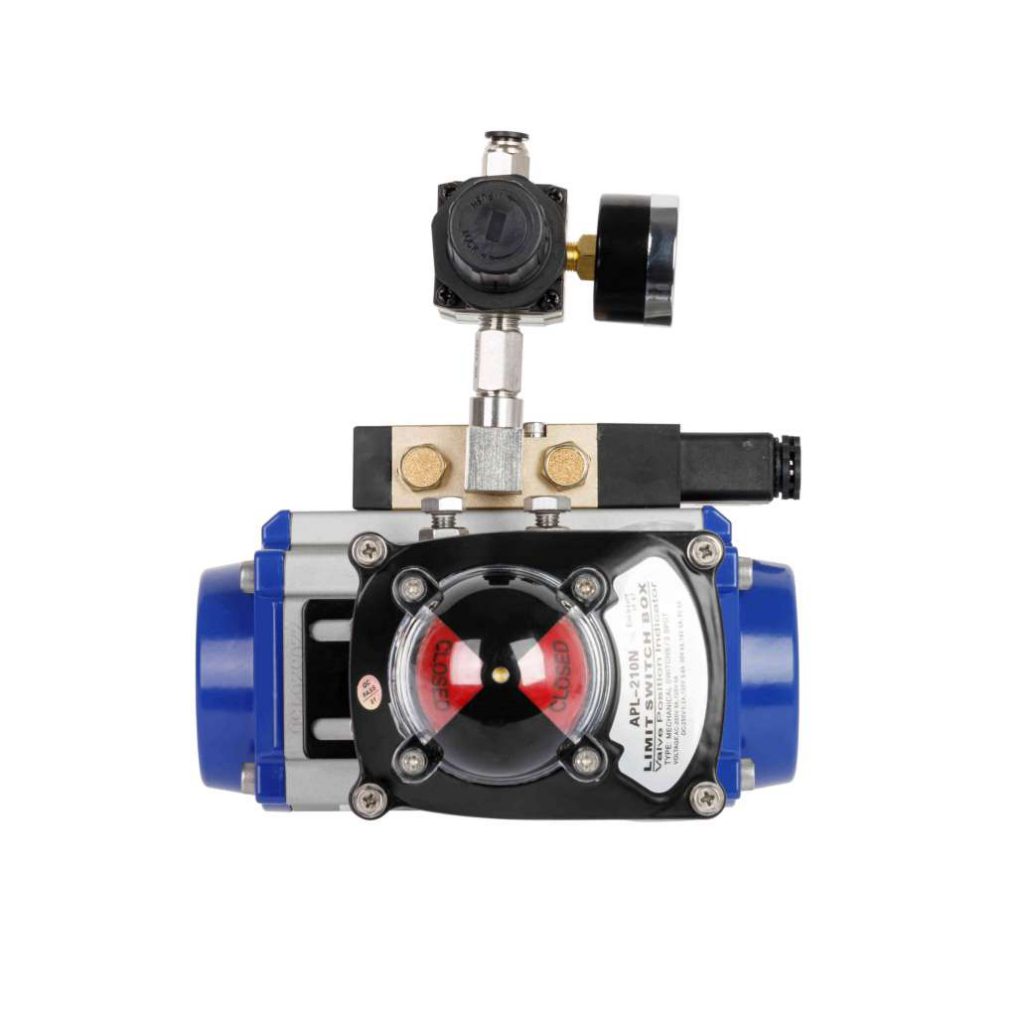
Pneumatic actuators are essential components in various industrial automation systems. Leveraging compressed air to produce mechanical motion, pneumatic actuators offer numerous advantages, such as speed, precision, and reliability. They are widely used in industries ranging from manufacturing to robotics and even the aerospace sector. In this article, we will explore the working principles, types, advantages, and applications of pneumatic actuators.
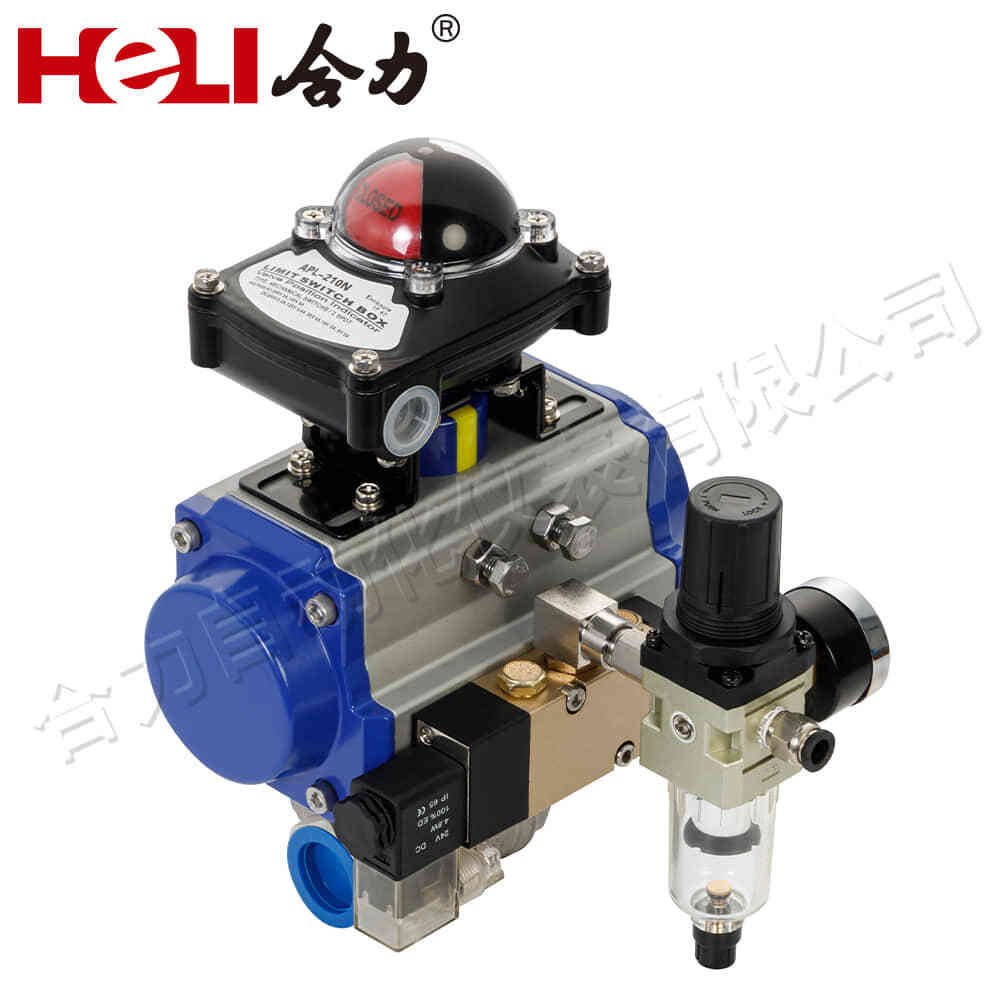
Working Principles of Pneumatic Actuators
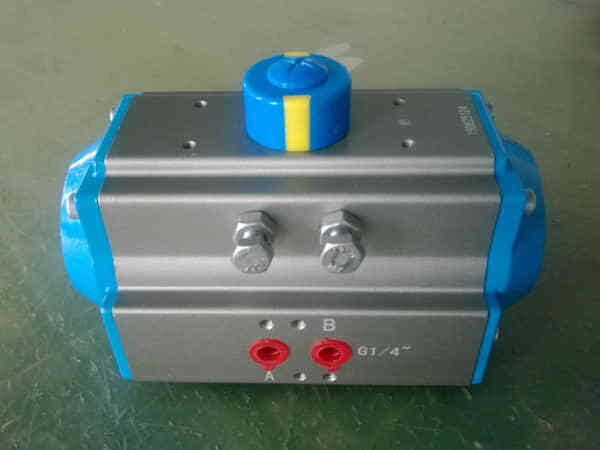
At the core of a pneumatic actuator is its ability to convert the energy stored in compressed air into mechanical work. The actuator is typically composed of a cylinder, piston, and a set of valves. When compressed air is introduced into the actuator’s cylinder, it pushes against the piston, causing it to move. This movement can either be linear (in a straight line) or rotary (in a circular motion), depending on the actuator design. The direction and force of the movement can be precisely controlled by regulating the air pressure within the system. The use of valves ensures that the air is directed to the appropriate side of the piston, allowing for controlled motion. The movement speed can also be adjusted by regulating the airflow, making pneumatic actuators incredibly versatile in automation processes.