In modern industrial automation, the integration of Programmable Logic Controllers (PLCs) with relays plays a crucial role in controlling various electrical devices efficiently and safely. A PLC Control Relay system combines the intelligence of PLCs with the switching capabilities of relays to provide flexible, reliable, and scalable control solutions. This article explores the basic principles of PLC control relays, their working mechanism, and their wide-ranging applications in industrial environments.
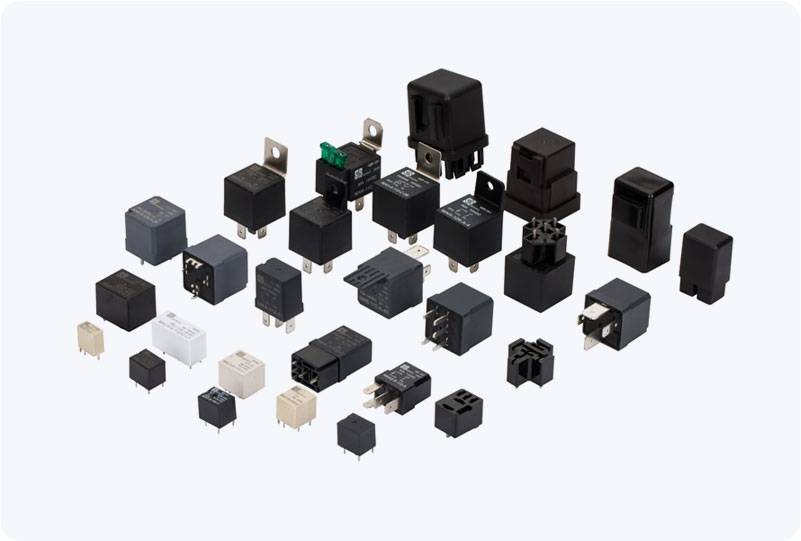
What is a PLC Control Relay? A PLC Control Relay system consists of a PLC that executes programmed control logic and a relay that acts as an intermediary to switch electrical circuits. PLCs are designed to perform logical operations, such as on/off control, timing, counting, and more, while relays provide physical switching actions for devices that require higher voltages or currents than what a PLC output can handle. The PLC processes input signals from various sensors, executes the programmed logic, and then sends output signals to control relays. These relays, in turn, operate electrical devices like motors, valves, lights, or heating elements. The combination of PLC control and relay switching enables precise and automated management of equipment in various industries.