Programmable Logic Controllers (PLC) have revolutionized industrial automation by providing reliable, flexible, and scalable control systems. One key component in many of these control systems is the PLC Control Relay, a device that acts as the central hub for controlling various equipment in an automated process. Understanding the role and functionality of a PLC Control Relay is crucial for engineers, technicians, and automation specialists looking to optimize their systems.
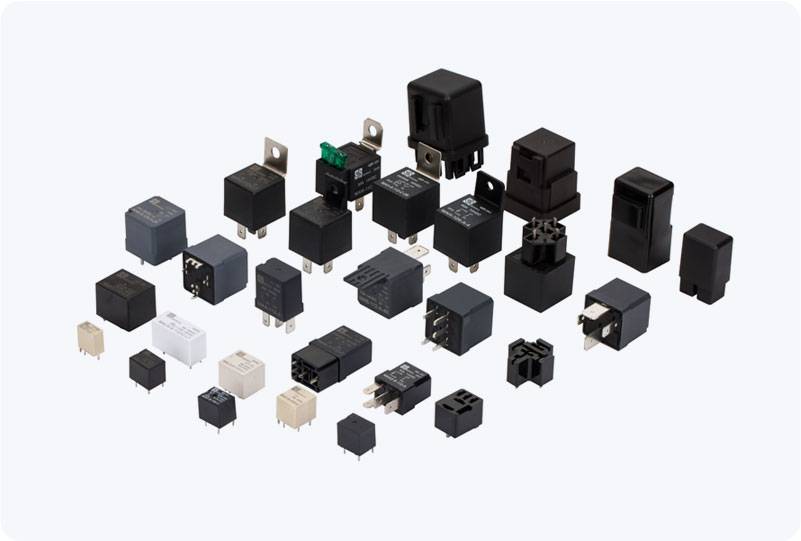
What is a PLC Control Relay? A PLC Control Relay is an electromechanical or solid-state device that is controlled by a PLC to switch electrical circuits on and off. Essentially, it acts as a bridge between the PLC and the real-world devices it controls, such as motors, valves, lights, and other equipment. The PLC sends a control signal to the relay, which, in turn, controls the operation of connected devices based on the input it receives from sensors or switches. While a traditional relay is primarily used for switching operations, a PLC adds an extra layer of intelligence to the process. Instead of requiring manual intervention to adjust settings or switches, the PLC can be programmed to control the relay based on specific logic and predetermined conditions.