Plastic Water Solenoid Valves are integral components in modern water flow control systems. These valves play a vital role in regulating the flow of water in various applications, from irrigation systems to household water systems and industrial automation. Made from durable plastic materials, they offer several advantages, including resistance to corrosion, lightweight properties, and ease of installation. This article explores the working principle, advantages, applications, and considerations when choosing a plastic water solenoid valve.
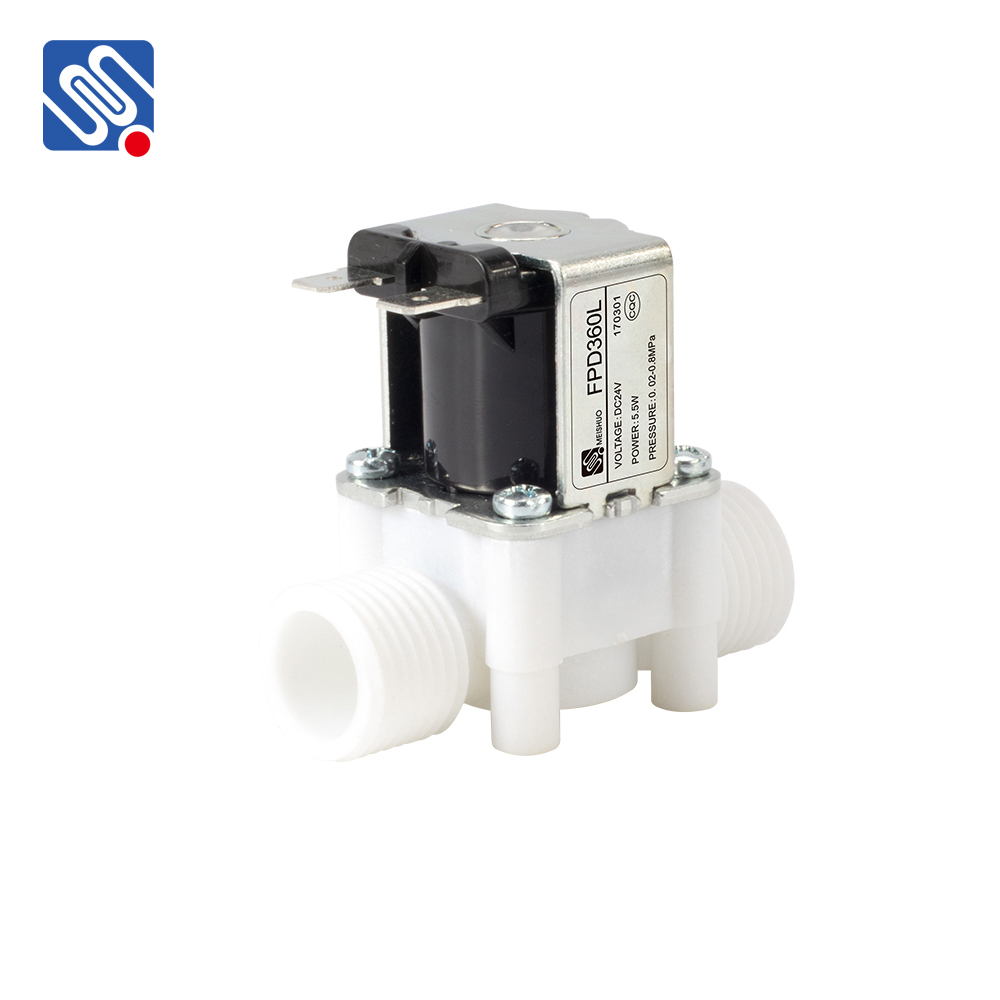
Working Principle of Plastic Water Solenoid Valves A solenoid valve works on the basic principle of electromagnetism. When an electric current passes through a solenoid (a coil of wire), it creates a magnetic field. This magnetic field pulls or pushes a plunger inside the valve, causing the valve to open or close. In a plastic water solenoid valve, the water flow is controlled by the movement of the plunger, which either allows or stops the passage of water. The valve’s design typically consists of a plastic body, a solenoid coil, and a plunger or diaphragm that moves in response to the magnetic field generated by the solenoid. When power is supplied to the solenoid coil, the plunger is pulled upward, opening the valve to allow water to flow. Conversely, when the electrical supply is cut off, the plunger returns to its default position, closing the valve and stopping water flow.