Plastic Solenoid Valves are widely used in various industrial applications due to their durability, versatility, and resistance to corrosion. These valves, typically constructed with materials such as PVC, PP, and other plastic composites, play a crucial role in controlling the flow of fluids and gases. They operate based on the principles of electromagnetism, offering an efficient solution for controlling the direction and flow of media in a system.
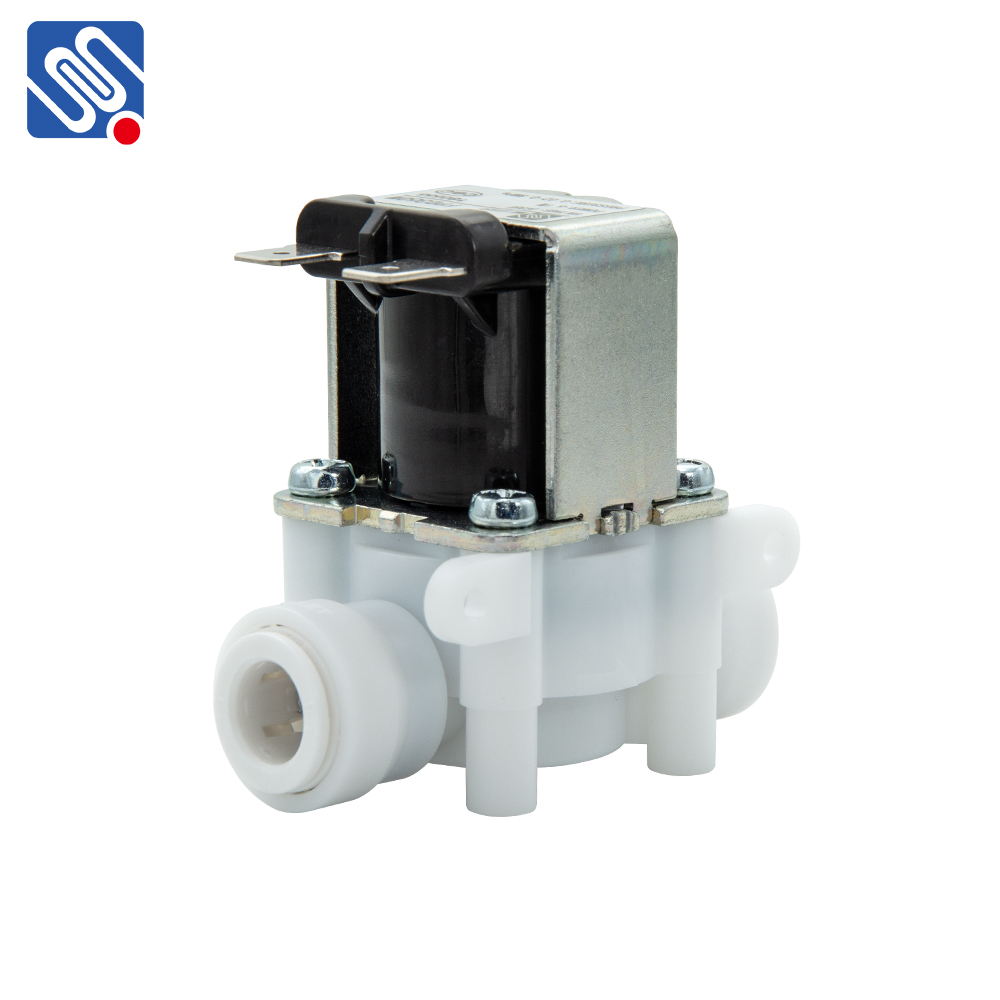
What is a Plastic Solenoid Valve? A Plastic Solenoid Valve is an electromechanical device used to control the flow of liquids or gases in a pipeline. The valve consists of a solenoid coil, a movable iron core (plunger), a valve body, and seals. When an electrical current passes through the solenoid coil, it generates a magnetic field, which moves the plunger, thus either opening or closing the valve. These valves can be designed to open or close depending on the presence or absence of electrical power, offering versatile control mechanisms for various systems. The plastic construction of these valves makes them particularly suitable for handling corrosive substances, making them ideal for use in industries like chemical processing, water treatment, and food production, where metal valves might not perform as well.