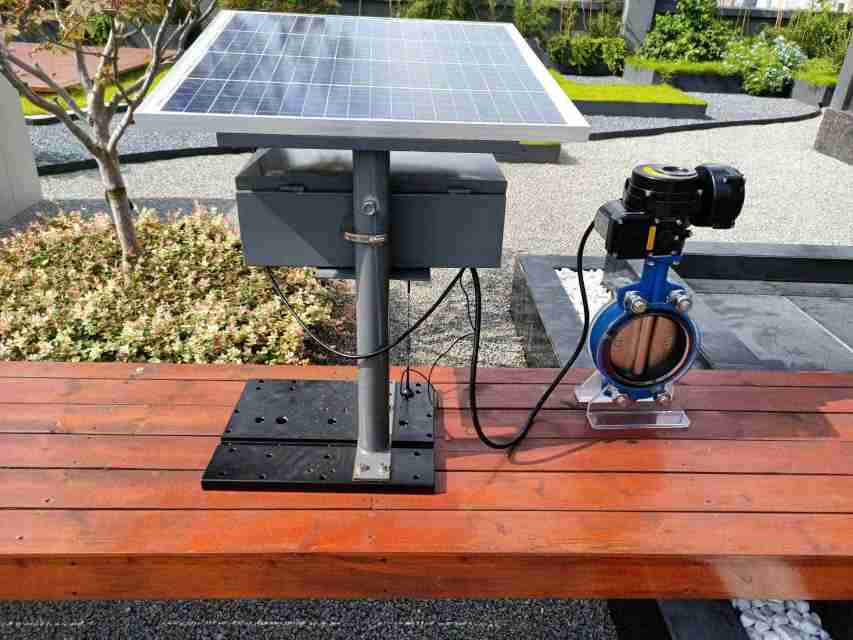
As the world increasingly shifts towards sustainable energy solutions, innovations in technology play a crucial role in harnessing renewable resources. Among these advancements is the photovoltaic electric valve (PEV), a device that integrates photovoltaic technology with electric valve operation. This innovative system not only enhances efficiency in fluid management but also aligns with global efforts to reduce carbon emissions. In this article, we will explore the functionality, benefits, and potential applications of photovoltaic electric valves.
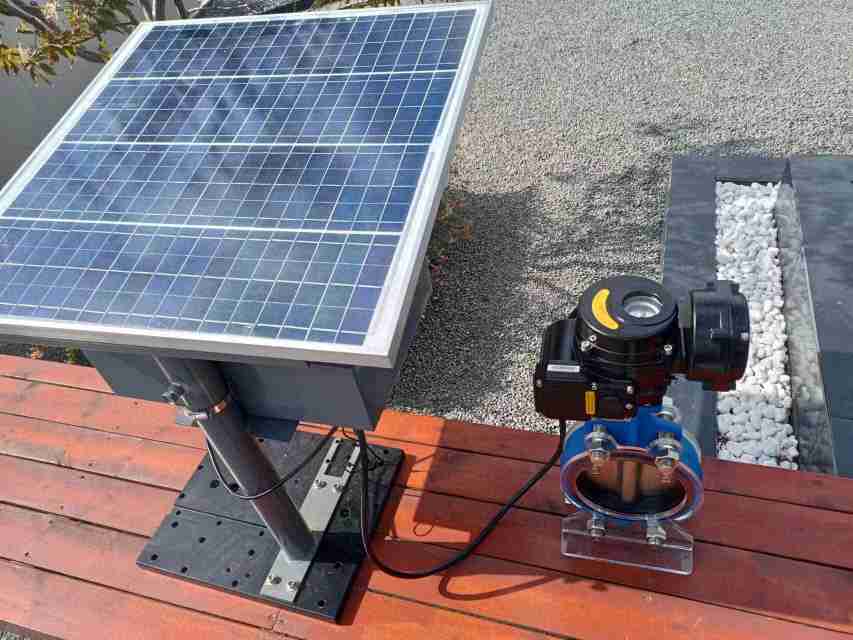
What is a Photovoltaic Electric Valve?
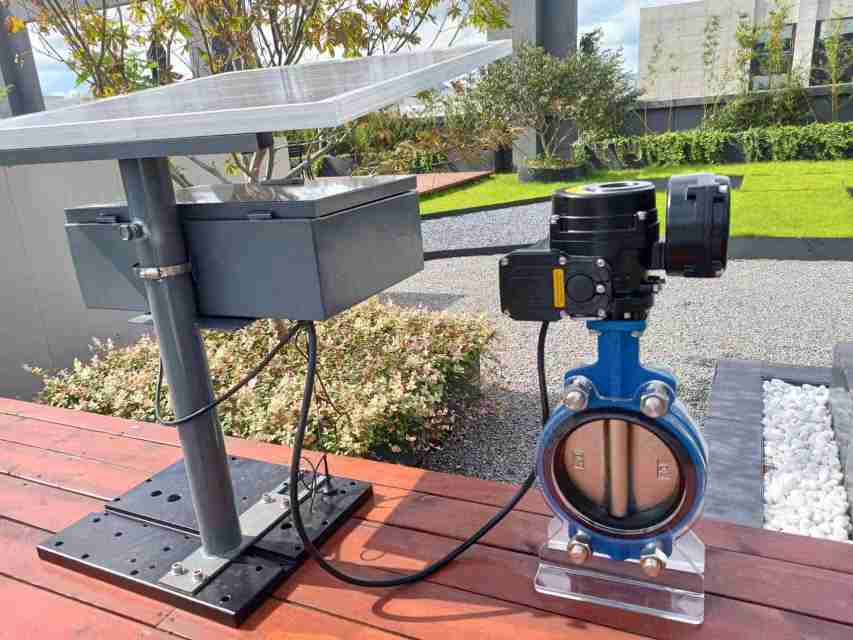
A photovoltaic electric valve is a device that uses solar energy to control the flow of fluids in various systems. It combines a traditional electric valve mechanism with photovoltaic cells, which convert sunlight into electrical energy. This integration allows the valve to operate independently of external power sources, making it particularly useful in remote locations or areas with unreliable electricity supply. The operation of a photovoltaic electric valve is straightforward. When sunlight strikes the photovoltaic cells, they generate direct current (DC) electricity. This electricity powers the valve actuator, which opens or closes the valve in response to specific control signals. This system can be automated through sensors and controllers that monitor fluid levels, pressure, and other critical parameters.