Overload relays are crucial components in electrical systems, designed to protect electric motors from damage caused by prolonged overload conditions. These devices play an essential role in preventing overheating, motor burnout, and even catastrophic failures in industrial and commercial applications. This article aims to provide a comprehensive overview of overload relays, their types, working principles, and applications in modern electrical circuits.
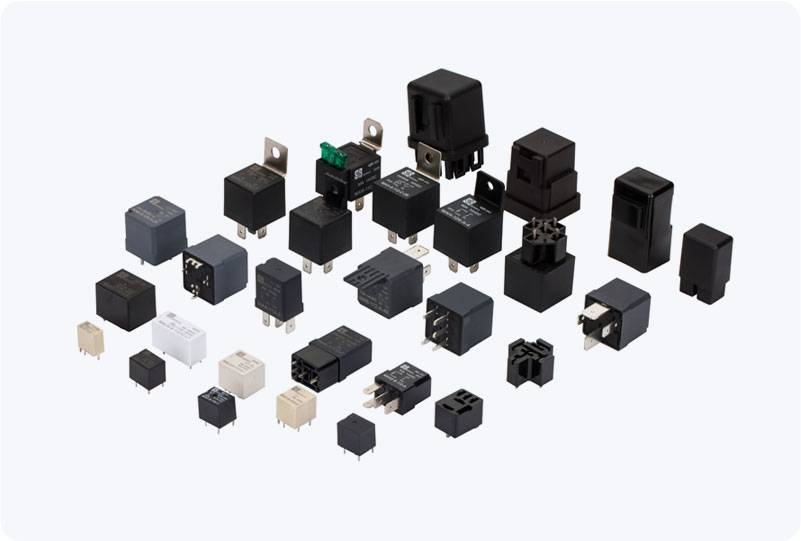
What is an Overload Relay? An overload relay is a protective device used in conjunction with a contactor to safeguard electric motors from excessive current or prolonged overcurrent conditions. When the current flowing through the motor exceeds the rated value for a set period, the overload relay will activate and disconnect the motor from the power supply, thus preventing potential damage such as overheating or motor burnouts. Overload relays are typically used in AC (alternating current) motors but can also be found in DC (direct current) motors. They are installed in the control circuit and work by detecting the motor’s current and comparing it to preset values. If the motor is drawing too much current, the relay trips and interrupts the power to the motor, protecting the equipment from damage.