A Normally Closed (NC) Solenoid Valve is an essential component in a wide range of fluid control systems. It is designed to remain in a closed state by default, only allowing the flow of fluid when energized by an electrical signal. This feature makes the NC solenoid valve incredibly useful in systems that require controlled flow, especially where the default state needs to be closed for safety, efficiency, or operational purposes. In this article, we will explore the operation, applications, and benefits of Normally Closed Solenoid Valves.
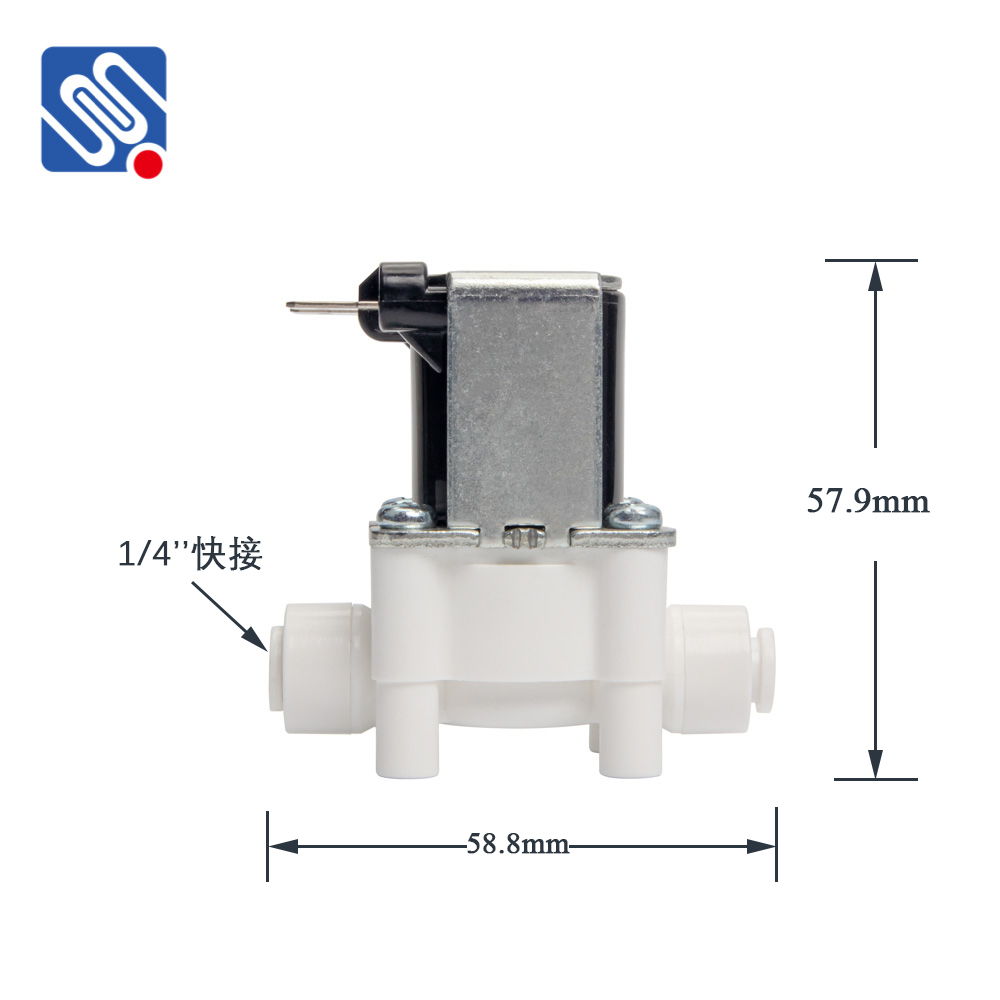
How Does a Normally Closed Solenoid Valve Work? The fundamental principle of a Normally Closed Solenoid Valve lies in its simple design and operation. In its normal (de-energized) state, the valve remains closed, meaning that no fluid can pass through it. This is achieved by a spring-loaded mechanism that holds the valve in a closed position. When an electrical current is applied to the solenoid, it creates a magnetic field that pulls or pushes the valve’s internal plunger, which opens the valve. Once the valve is opened, fluid (liquid or gas) is allowed to flow through the valve until the electrical signal is removed, at which point the solenoid valve returns to its default closed state. This ensures that fluid flow only occurs when necessary, and stops when the solenoid is de-energized.