In industrial and manufacturing environments, ensuring the safety of workers is paramount. One of the most effective safety protocols to prevent accidents and injuries during maintenance or repair operations is Lockout/Tagout (LOTO) Safety. LOTO procedures are designed to control hazardous energy during the servicing of machines or equipment, providing a safe environment for employees working on or near potentially dangerous machinery. This article will explore what LOTO safety is, why it is essential, and how it can be effectively implemented in various work settings.
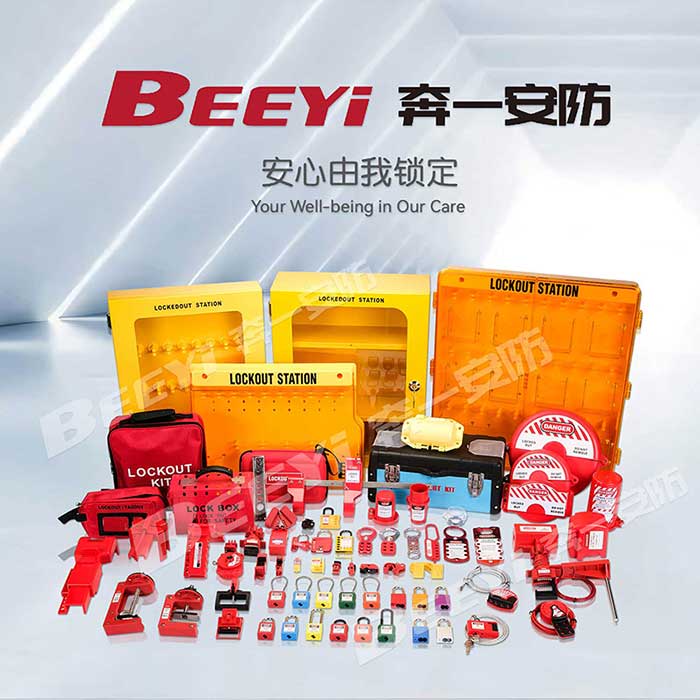
What is LOTO Safety? LOTO stands for Lockout and Tagout—two interconnected safety practices used to isolate hazardous energy sources in machinery and equipment. Lockout refers to physically locking energy-isolating devices, such as electrical switches, valves, or mechanical devices, in the “off” position to prevent their accidental operation. Tagout, on the other hand, involves placing a warning tag on energy-isolating devices to alert workers that the equipment is being serviced and should not be operated. The primary goal of LOTO safety is to prevent accidental machine startup or the release of hazardous energy, which can result in serious injuries or fatalities. This is particularly critical in industries that use heavy machinery, electrical equipment, or pressurized systems, where workers may be exposed to dangerous conditions if proper precautions are not taken.