In industrial settings, safety is paramount, particularly when it comes to the maintenance and repair of machinery and equipment. One of the most critical practices to ensure worker safety is the Lockout/Tagout (LOTO) system. Among the tools used in this system, the LOTO lock plays a crucial role. It is designed to prevent machinery from being inadvertently activated while maintenance or repair work is being conducted, significantly reducing the risk of accidents and injuries.
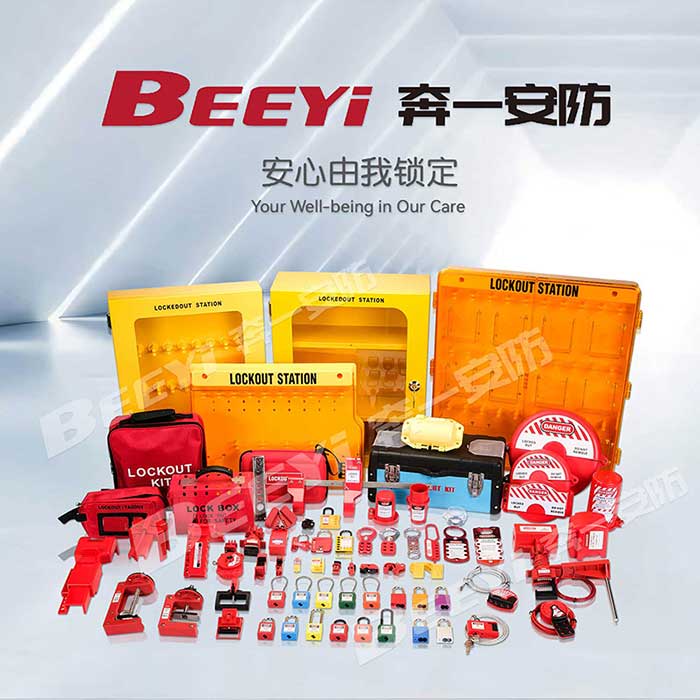
What is a LOTO Lock? A LOTO lock is a physical locking device used as part of the Lockout/Tagout safety procedure. When workers perform maintenance on machines or equipment that could potentially release harmful energy—whether electrical, mechanical, hydraulic, or pneumatic—LOTO locks are employed to secure the energy-isolating devices in a safe position. By locking these devices, the LOTO lock ensures that the equipment cannot be operated until the work is completed and the lock is removed by the person who placed it. The Role of LOTO Locks in Safety Procedures The Lockout/Tagout procedure is designed to protect workers from the dangers posed by the unexpected release of hazardous energy during maintenance tasks. This procedure involves two key elements: the lock and the tag. The lock physically prevents the machine from being turned on, while the tag provides a visual warning to other workers that the machine is under maintenance and should not be operated.