In various industrial and manufacturing environments, ensuring the safety of employees is of utmost importance. One of the key tools that play a vital role in maintaining this safety is the Lockout Hasp. These devices are indispensable for implementing effective lockout/tagout (LOTO) procedures which are designed to prevent accidental machinery activation during maintenance or repair work. Understanding Lockout Hasps, their function, and their application can significantly bolster safety protocols and protect workers from potential hazards.
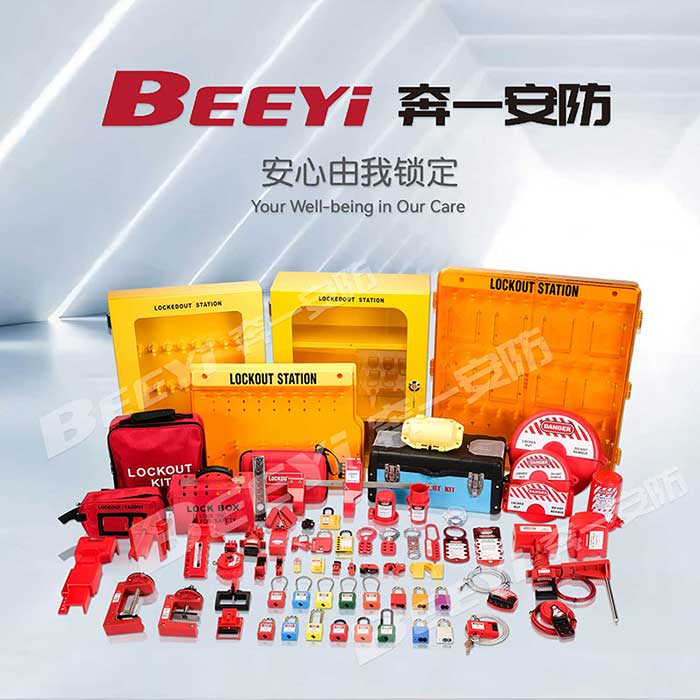
What are Lockout Hasps? Lockout Hasps are mechanical devices, often made of durable materials such as metal or plastic, that secure energy-isolating devices—such as circuit breakers, valves, or switches—during maintenance work. They come in various shapes and sizes, featuring multiple holes where padlocks can be attached. This design allows a single hasp to accommodate multiple locks, ensuring that only personnel involved in the maintenance can unlock the device once the work is completed. Importance of Lockout Hasps The primary purpose of Lockout Hasps is to prevent the accidental energizing of machinery while maintenance is being performed. In many industries, equipment can store hazardous energy in various forms, such as electrical, mechanical, hydraulic, or pneumatic energy. When performing maintenance, such energy sources need to be securely isolated to prevent sudden machine starts or releases of stored energy, which can cause severe injuries or even fatalities.