In today’s industrial landscape, workplace safety has become a paramount concern. Among the various safety measures, the implementation of lockout/tagout (LOTO) procedures stands out as a critical practice to protect employees during maintenance and repair activities. A key component of LOTO procedures is the use of lock out padlocks, which serve a vital function in ensuring that machinery and equipment are properly isolated from their energy sources. This article delves into the importance, features, and best practices associated with lock out padlocks.
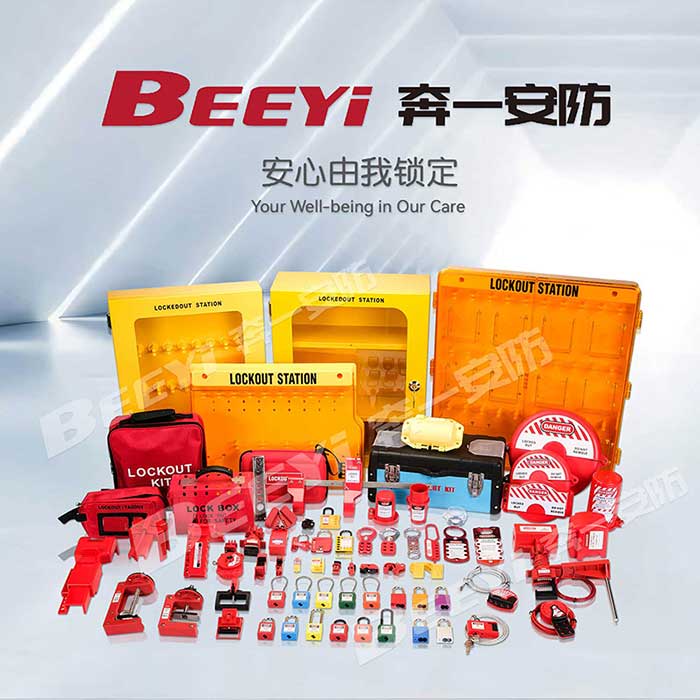
Importance of Lock Out Padlocks Lock out padlocks are specifically designed to secure machinery, preventing unauthorized access and accidental machine startups during maintenance. The importance of these padlocks cannot be overstated, particularly given that many workplace accidents occur due to improper lockout and tagout procedures. According to the Occupational Safety and Health Administration (OSHA), compliance with LOTO standards can significantly reduce the risk of injury, making the use of lock out padlocks not just a good practice, but a legal requirement in many jurisdictions. When workers perform maintenance on machines, they must ensure that the equipment cannot be accidentally energized or started. Lock out padlocks provide a reliable means to control this process by physically locking the energy control devices, such as circuit breakers or energy isolating switches, in the “off” position. This prevents any unauthorized personnel from accidentally reenergizing the equipment.