In an industrial or manufacturing environment, safety is paramount. One of the critical components of an effective safety program is the use of lock out padlocks. These specialized padlocks are designed to secure the energy sources of machinery and equipment during maintenance and repair work, preventing accidental start-ups that could lead to serious injuries or fatalities. In this article, we will explore the importance, types, proper usage, and management of lock out padlocks.
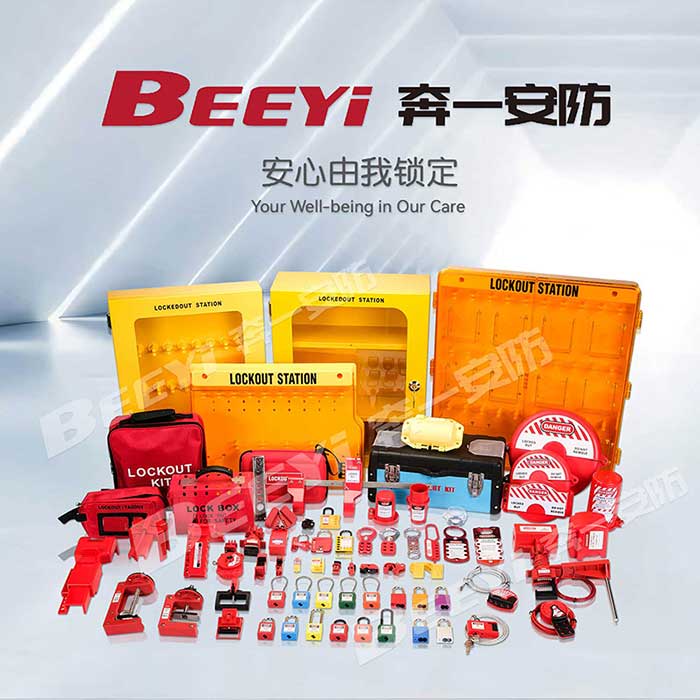
The Importance of Lock Out Padlocks Lock out padlocks serve a vital purpose in ensuring the safety of workers. When maintenance personnel are servicing machinery, it is essential to isolate the machine from its energy sources, such as electrical, hydraulic, or pneumatic power. Lock out padlocks prevent unauthorized persons from re-energizing the equipment while it is still being worked on. This not only safeguards the personnel engaged in maintenance but also enhances the overall safety culture within the organization. Furthermore, the Occupational Safety and Health Administration (OSHA) and similar regulatory bodies emphasize the importance of Lockout/Tagout (LOTO) procedures in their regulations. Failure to comply with these guidelines can result in severe penalties and legal repercussions. Therefore, implementing a robust lock out procedure, starting with lock out padlocks, is not just a best practice; it’s a legal requirement in many jurisdictions.