Lock out equipment plays a crucial role in ensuring workplace safety, particularly in industrial environments where machinery and energy sources pose significant risks. These tools are designed to prevent accidental equipment activation and protect workers from potential injuries caused by unexpected energy release. The importance of lock out equipment has grown alongside industrial automation, as complex systems require strict safety protocols to maintain operational integrity and personnel protection.
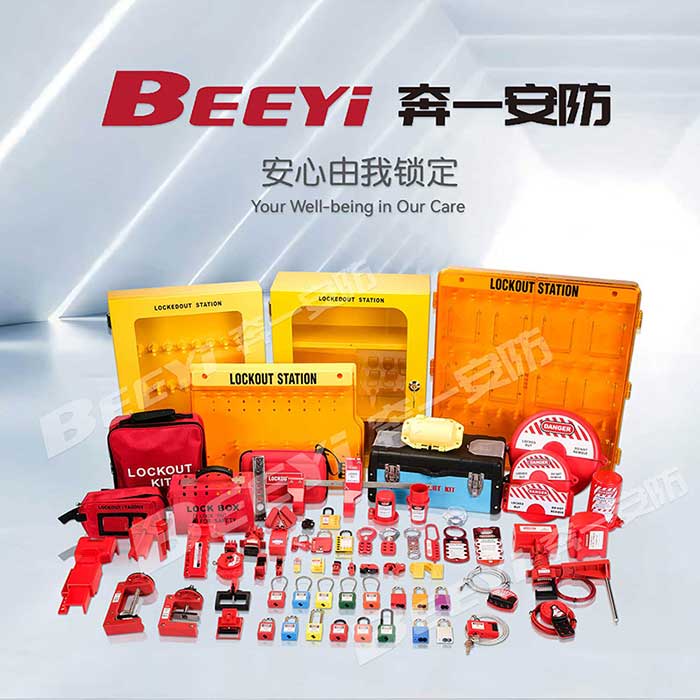
At its core, lock out equipment is used to isolate hazardous energy sources during maintenance, cleaning, or repair activities. These energy sources can include electrical power, hydraulic pressure, pneumatic systems, mechanical motion, and even thermal energy. By effectively isolating these energy sources, lock out devices ensure that equipment cannot be inadvertently started or energized, creating a safer environment for maintenance personnel. The concept of lock out equipment is often combined with tag out procedures, commonly referred to as the Lockout/Tagout (LOTO) system. While lock out devices physically prevent equipment operation, tags serve as visual warnings that the equipment is under maintenance and should not be used. Together, these measures provide a comprehensive approach to controlling hazardous energy and minimizing workplace accidents.