A Latching Relay is an electrical component that plays a significant role in energy-efficient automation systems. Unlike traditional relays, which require continuous current to maintain their switched position, a latching relay uses a pulse of electricity to change its state and then remains in that state without drawing power. This distinctive feature allows it to be used effectively in applications where power consumption needs to be minimized, or where the relay’s state must be maintained without constant energy input. In this article, we’ll explore the working principles, advantages, and common applications of latching relays.
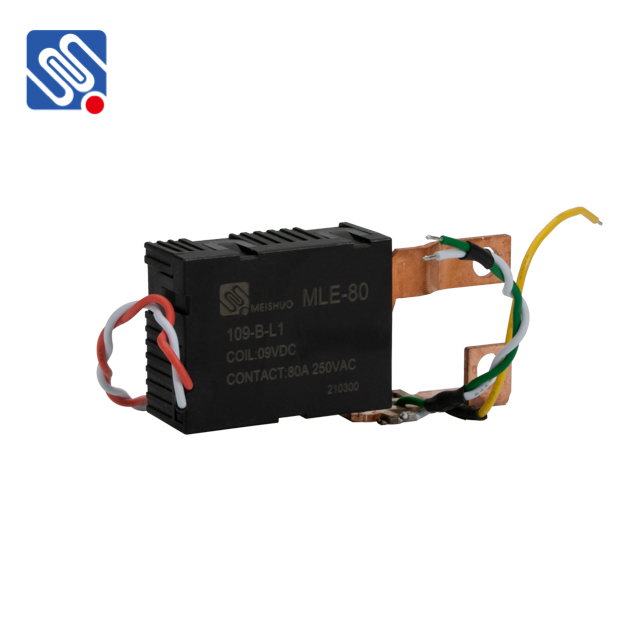
What is a Latching Relay? A latching relay, also known as a bistable relay, is a type of electromagnetic switch that has two stable states: ON and OFF. Unlike standard relays, which rely on continuous power to stay in a particular state, a latching relay requires only a short pulse of current to switch between these two states. After receiving the pulse, the relay stays in its new position without the need for constant power, thus significantly reducing energy consumption. To change the state again, a reverse pulse is applied, switching the relay back to its original state. The two main types of latching relays are: