The IEC 61811 standard plays a vital role in ensuring the proper functioning and safety of power relays used in electrical systems worldwide. Issued by the International Electrotechnical Commission (IEC), this standard specifies the technical requirements for relays, primarily those involved in the control and protection of electrical equipment. By establishing a clear framework for relay design, testing, and performance, IEC 61811 serves as a global reference point for manufacturers and engineers working with electrical and control systems. This article will explore the significance of the IEC 61811 Power Relay standard, its key provisions, and its applications across various industries.
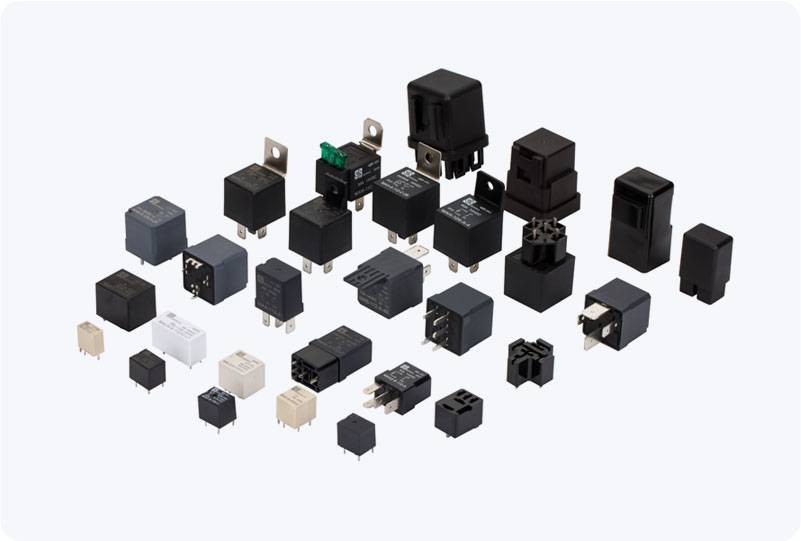
Overview of IEC 61811 Power Relay IEC 61811 provides essential guidelines for power relays, which are electrical devices used to control the flow of electricity in circuits. These relays are crucial components in industrial automation, power distribution, and control systems, where they manage electrical current by opening or closing contacts to either allow or interrupt the current flow. Power relays are employed in various applications, including industrial machinery, heating systems, lighting control, and telecommunications. The standard outlines the requirements for the design, construction, and testing of these relays, ensuring their functionality, durability, and safety. It addresses the technical aspects such as voltage, current ratings, response time, and durability, providing a set of criteria for manufacturers to follow in the production of reliable and safe relays.