The rapid growth of electric vehicles (EVs) has driven the development of advanced technologies, particularly in the area of EV charging infrastructure. One of the critical components of EV charging systems is the relay, a device responsible for controlling electrical circuits, ensuring the safe and efficient transfer of power between the charging station and the vehicle. The IEC 61811 standard is vital in defining the requirements for these relays, particularly for use in EV applications. This article explores the significance of the IEC 61811 EV Relay, its functions, and how it contributes to the safety and reliability of electric vehicle charging systems.
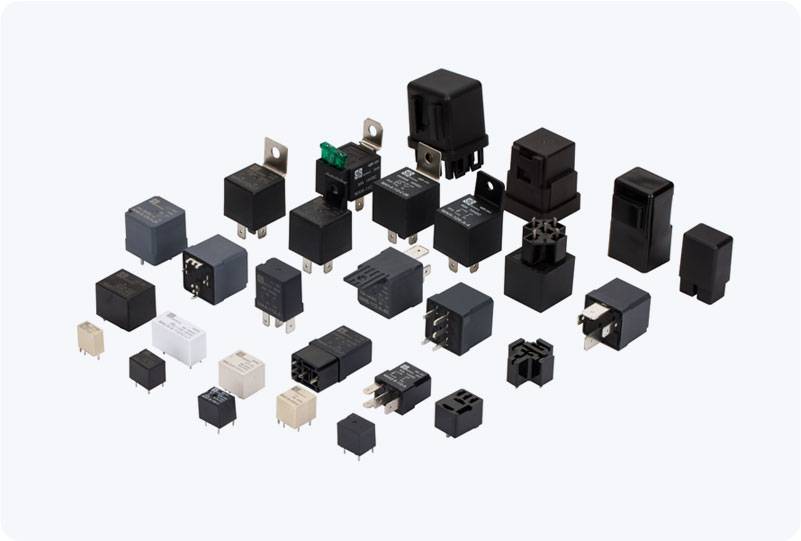
What is IEC 61811? IEC 61811 is an international standard issued by the International Electrotechnical Commission (IEC) that provides guidelines for the design, testing, and use of relays in various electrical systems, including those used in electric vehicle (EV) charging stations. The standard focuses on ensuring that the relays used in such applications are capable of handling the electrical loads, environmental conditions, and safety concerns associated with EV charging. The Role of Relays in EV Charging Systems Relays are essential components in any electrical system that requires the control of high-voltage or high-current circuits. In the case of EV charging stations, the relay’s primary function is to connect and disconnect the power supply between the electric vehicle and the charging infrastructure. When a vehicle is plugged into a charging station, the relay closes the circuit, allowing electricity to flow from the station to the vehicle’s battery. When the charging session is complete or if there is any fault, the relay disconnects the power to ensure the safety of both the vehicle and the charging equipment.