Hydro valves play a crucial role in a wide range of fluid systems, from industrial machinery to water treatment plants. These valves are integral to maintaining the correct flow of fluids, whether that fluid is hydraulic oil in heavy machinery or water in large-scale infrastructure. In this article, we will delve into the various functions of hydro valves, their importance in fluid control, and the different types used in different industries.
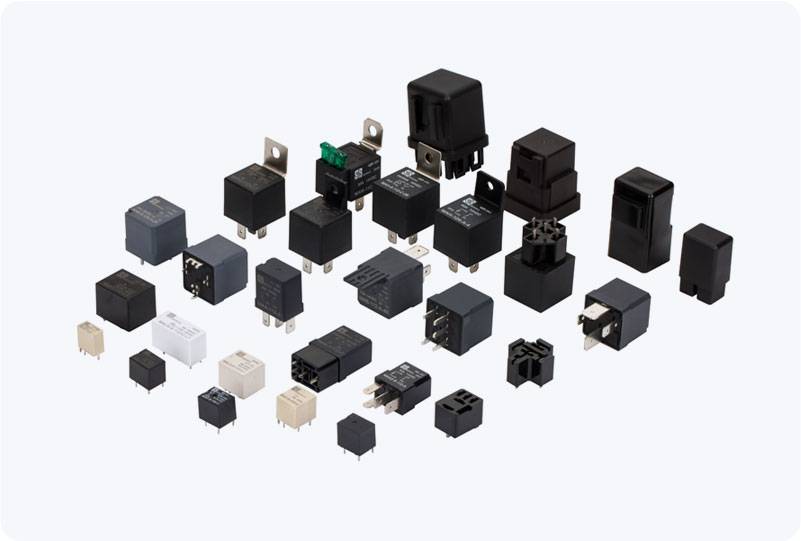
What is a Hydro Valve? A hydro valve, often referred to as a hydraulic valve or water control valve depending on the context, is a mechanical device used to control the flow, pressure, and direction of fluids in a system. These valves are most commonly used in liquid or gas systems, particularly in environments where high pressures are involved, such as in hydraulic systems and water management systems. Their design is tailored to regulate the flow of fluids to ensure the correct pressure and prevent damage to the system. How Hydro Valves Work Hydro valves operate on the basic principle of controlling the flow of liquids or gases through a system. They are equipped with internal components such as springs, diaphragms, or pistons, which adjust based on pressure variations. When the system reaches a certain pressure level, the valve reacts to either open or close the flow path, regulating the amount of fluid that passes through.